 (507) 720-3450
 info@fountainscapesandwaterfalls.com


Spring, Summer, Fall, Winter: Pond Care in Minnesota
Learn how pond care changes through every Minnesota season, from spring startup to winter protection.


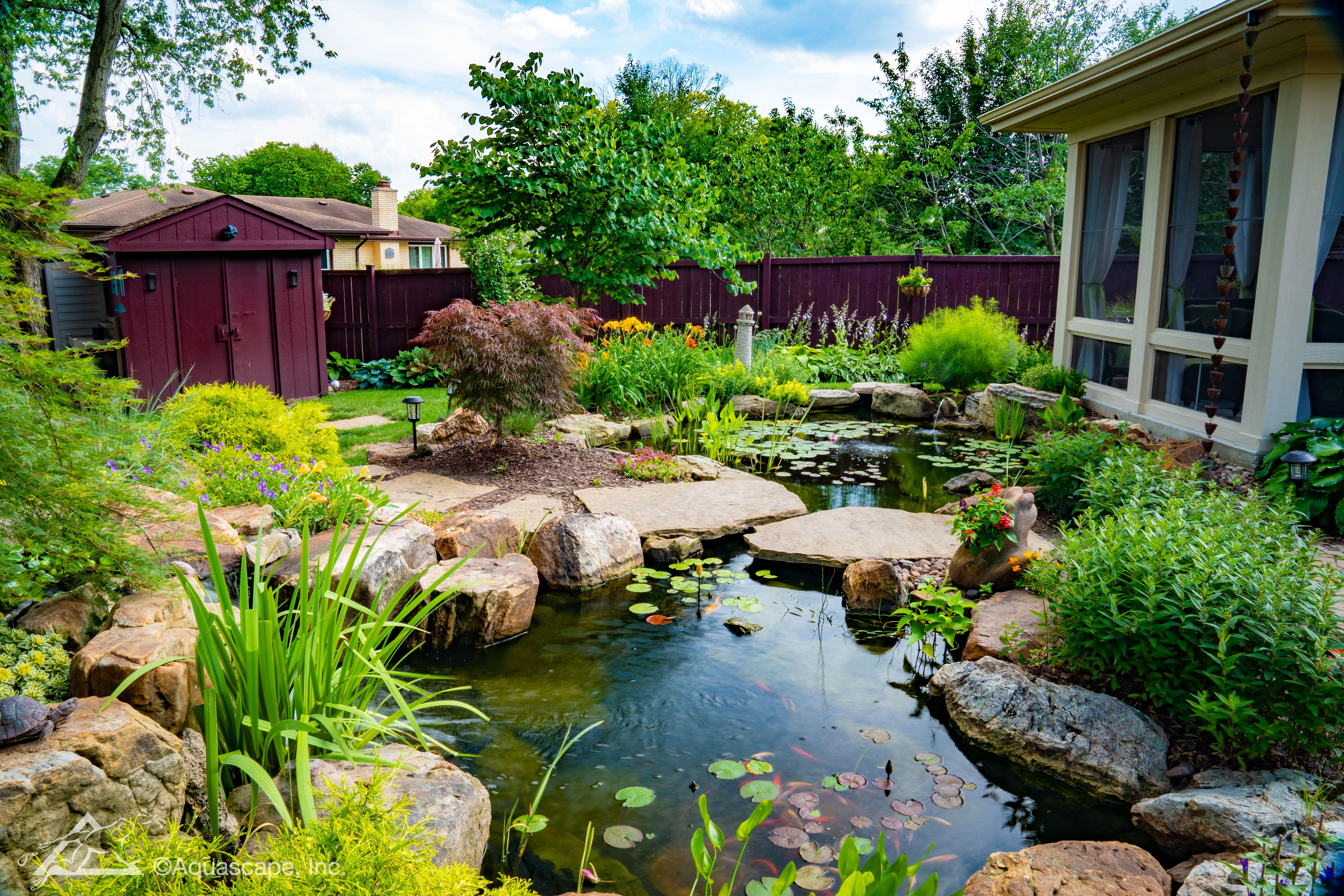
Summer Transition
By June, most ecosystem ponds have moved past spring startup and into their active summer rhythm. Water temperatures are warmer, fish are feeding more regularly, aquatic plants are filling in, and beneficial bacteria are becoming more active inside the filtration system.
This is also when small pond issues can begin showing themselves. More sunlight can encourage algae growth. Warm water holds less oxygen. Evaporation becomes more noticeable. Fish activity increases. Plants grow quickly and may need light attention.
June pond care does not need to be complicated. The goal is to make small, timely adjustments before summer heat puts more pressure on the ecosystem.
For a broader look at the entire year, read our guide to pond care in Minnesota through all four seasons.
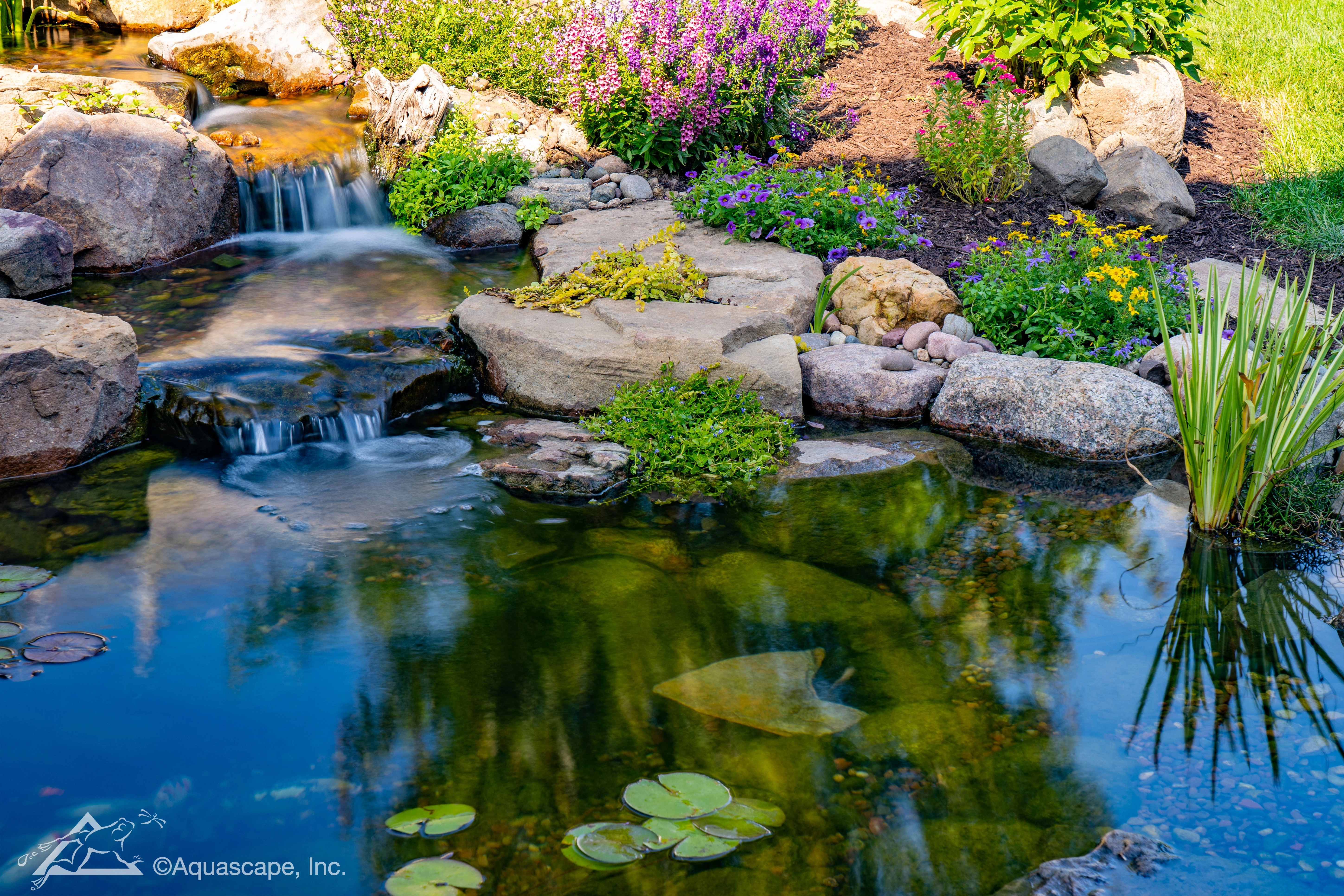
Oxygen and Circulation
Warm water naturally holds less oxygen than cool water. At the same time, fish, beneficial bacteria, and aquatic plants all become more active as temperatures rise.
That makes June a smart time to inspect your pond's aeration system. If you use an aerator, check that the pump is running properly, the air stones or diffusers are bubbling evenly, and the pond has good circulation throughout.
Aeration is especially helpful for ponds with koi, ponds in full sun, ponds with a heavy fish load, or ponds that have shallow areas that warm quickly.
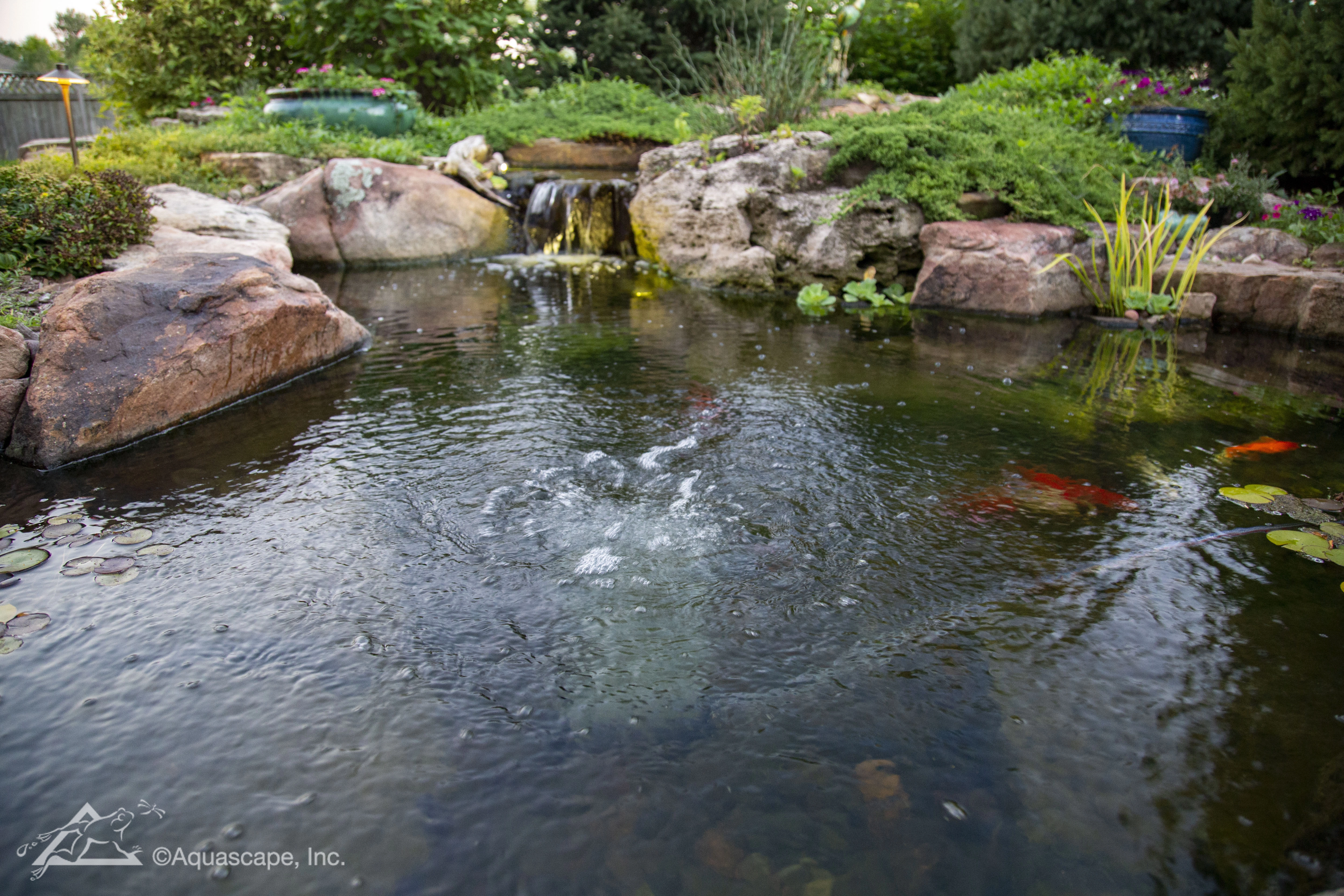
Water Quality
Longer days, warmer water, and stronger sunlight can all encourage algae growth in June. A little algae is normal in an ecosystem pond, but fast-growing algae can be a sign that the pond is receiving more nutrients or sunlight than the system can currently balance.
Look for string algae on waterfalls, rocks, and shallow edges. Also watch for green water, cloudy water, or areas where circulation seems weak.
The best approach is usually to support the ecosystem rather than immediately trying to sterilize it. Healthy filtration, regular beneficial bacteria, proper fish feeding, aquatic plants, and good circulation all work together to keep algae from taking over.
For more help with seasonal care, visit our guide on whether water features are hard to maintain.
Aquatic Plants
June is when many pond plants begin growing with real momentum. Marginal plants around the pond edge do far more than make the pond look natural. They help absorb nutrients, soften the rockwork, provide habitat, and support the overall ecosystem.
Plants such as iris, sweet flag, pickerel rush, and other marginal pond plants can help compete with algae for nutrients while making the edge of the pond feel more mature and settled into the landscape.
If certain plants are becoming crowded, June can be a good time to thin, divide, or reposition them before summer growth becomes heavier.
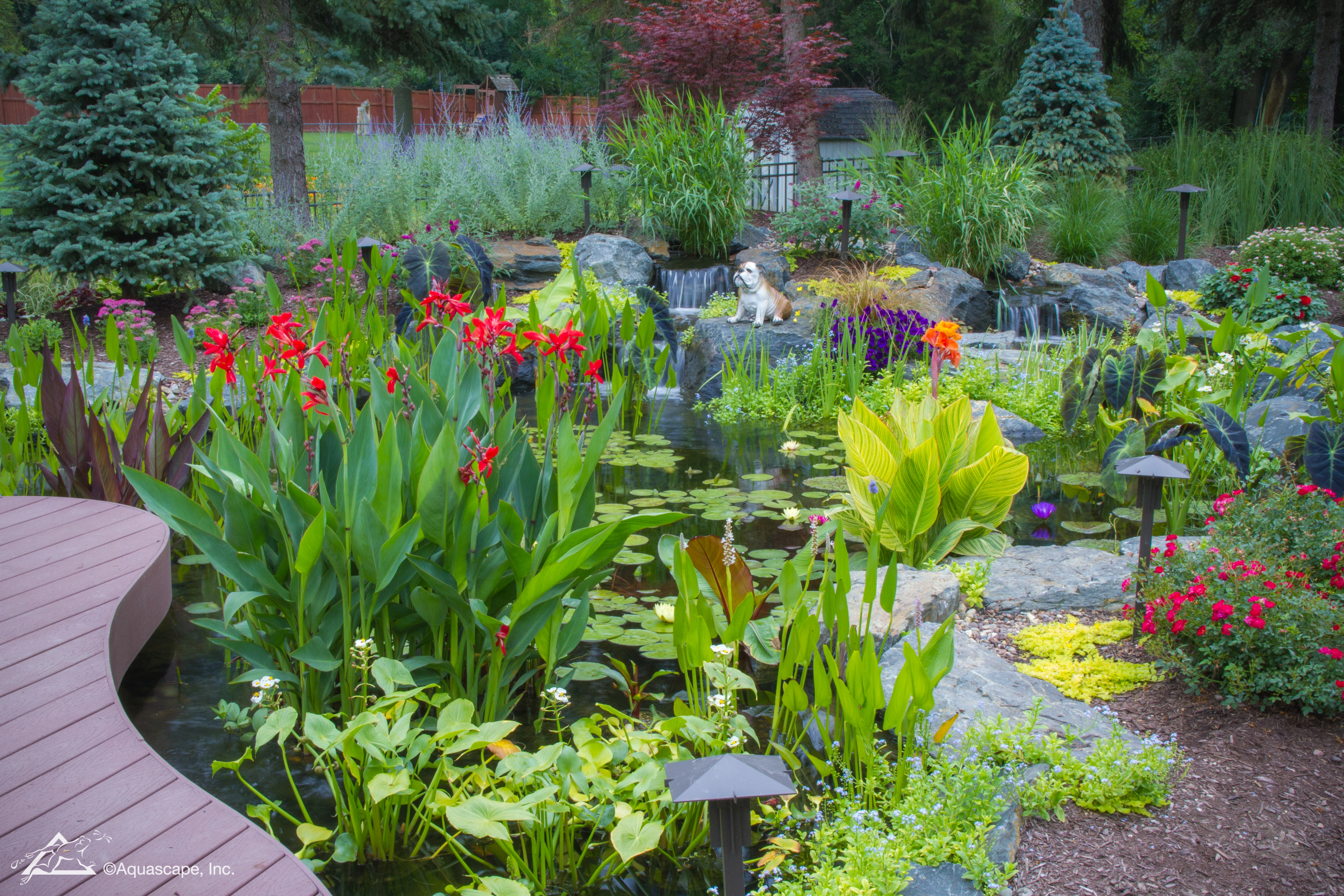
Summer Beauty
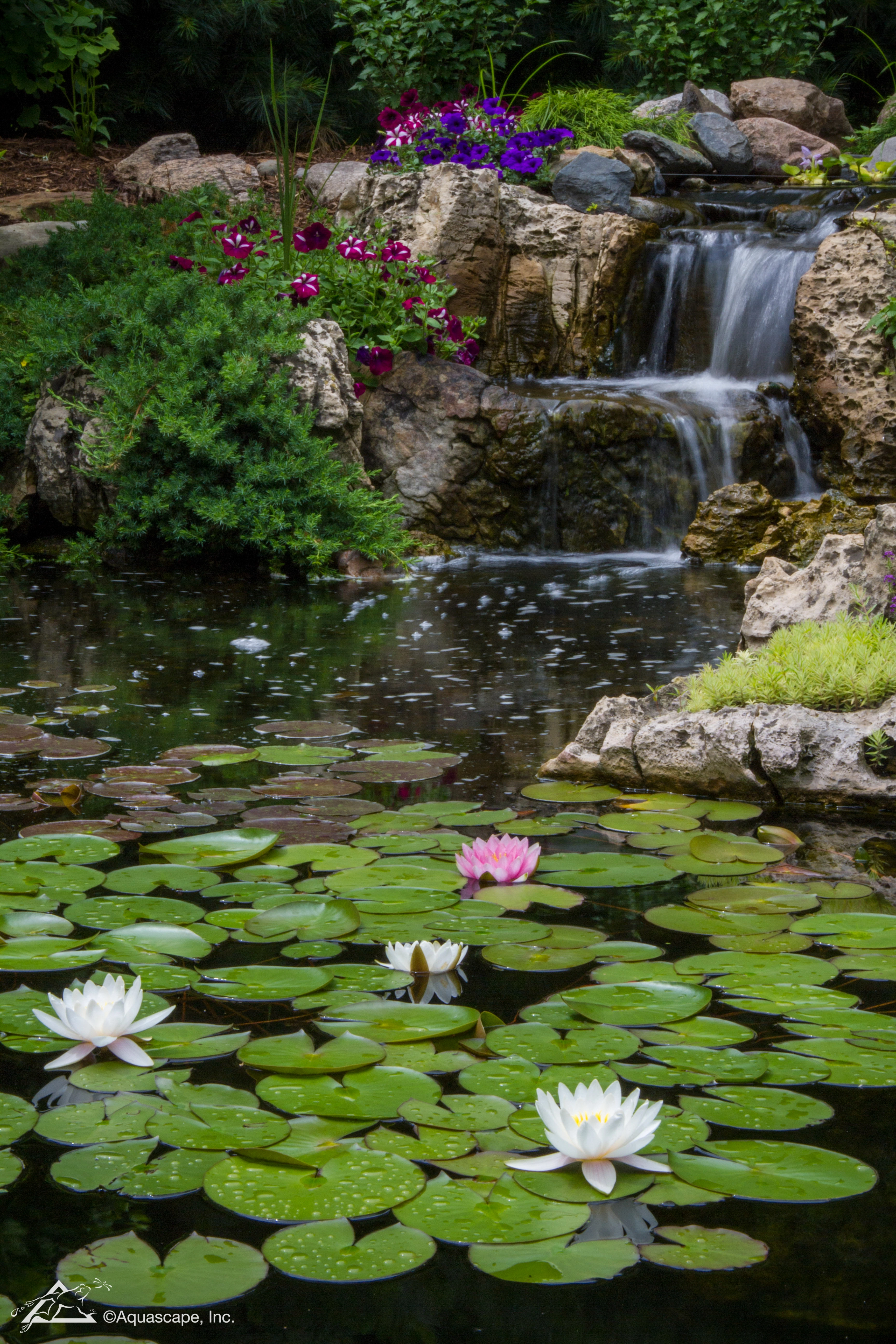
Water lilies are one of the most noticeable signs that pond season is fully underway. Their flowers add beauty, but their leaves also provide shade that helps reduce sunlight penetration and gives fish a place to retreat from the summer sun.
By June, established hardy water lilies should be actively growing. This is also when many pond owners begin thinking about tropical water lilies if they want more dramatic blooms and stronger summer color.
Lily pads help the pond feel calmer, cooler, and more natural. They are not just decoration. They are part of the living balance of the pond.
Evaporation and Equipment
June is when evaporation becomes more noticeable in Minnesota ponds. Sunshine, wind, waterfalls, streams, and warm weather can all cause water levels to drop.
Low water can affect skimmers, pumps, biological filtration, and waterfall performance. If the water level drops too far, equipment may begin pulling air or running under unnecessary stress.
Check your pond water level regularly during warm weather. If you need to top off the pond with municipal water, use a pond-safe water treatment product to neutralize chlorine and chloramines before they affect fish or beneficial bacteria.
Evaporation is normal. Sudden or excessive water loss may point to a leak, plumbing issue, or low edge that needs attention.
Fish Care
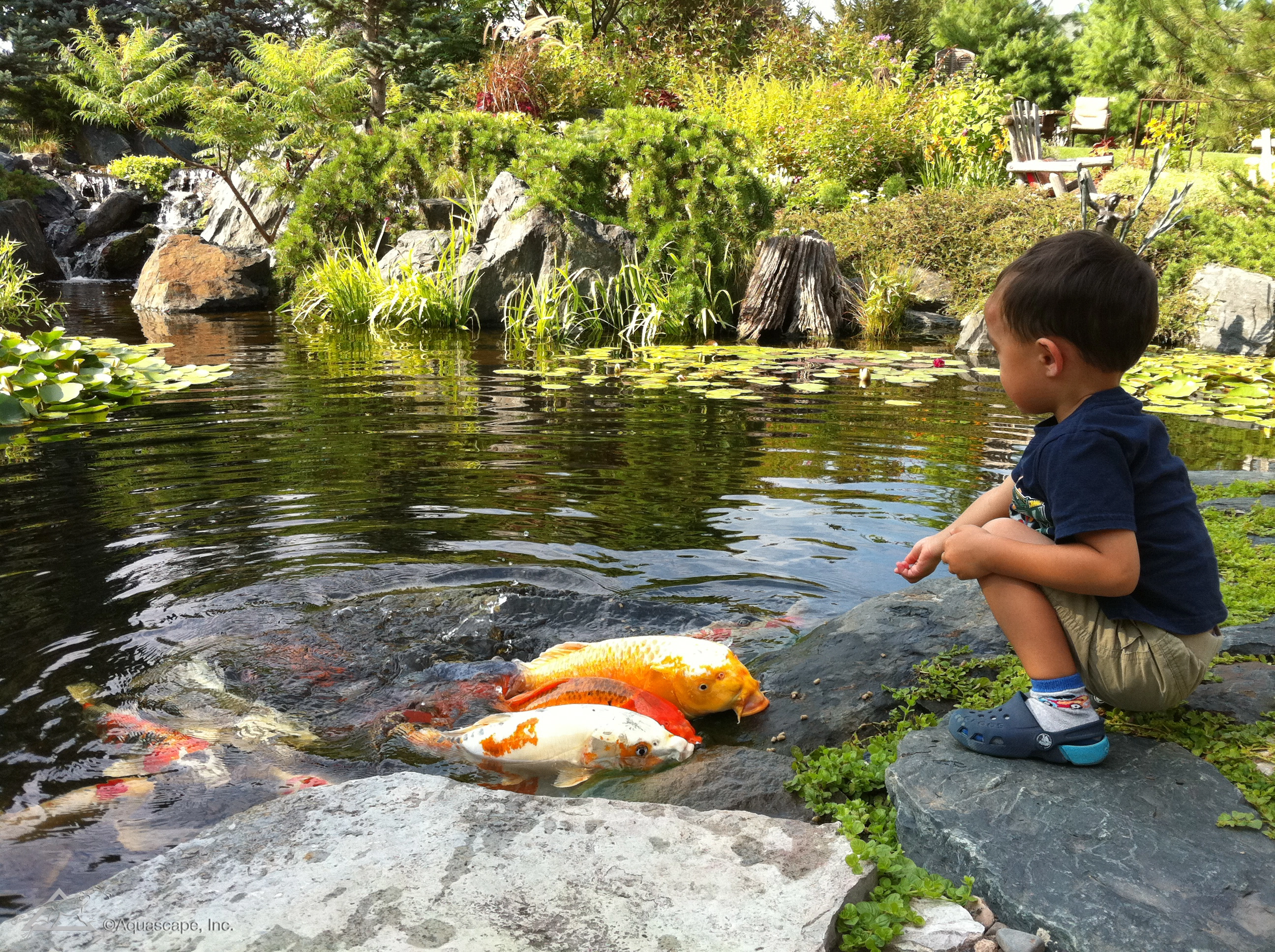
Fish are much more active in June than they were during early spring. Koi and goldfish often come to the surface quickly, feed eagerly, and spend more time exploring the pond.
Feeding fish is one of the most enjoyable parts of pond ownership, but overfeeding is also one of the easiest ways to create water quality problems.
Feed only what your fish can consume within a few minutes. Uneaten food breaks down in the pond and can contribute to excess nutrients, cloudy water, and algae growth.
Outdoor Living
One of the best ways to care for a pond is simply to spend time near it. Regular observation helps you notice changes before they become larger problems.
Watch how the fish behave. Listen to the waterfall. Notice whether the water looks clear, whether plants are growing well, and whether the pond feels balanced.
June is one of the best months to enjoy a backyard pond in Minnesota. The water is moving, the plants are filling in, wildlife is active, and the pond starts becoming the outdoor gathering place it was meant to be.
Professional Support
June maintenance is usually lighter than spring cleanout work, but professional support can still be valuable if your pond is struggling with algae, cloudy water, poor circulation, equipment issues, or unexplained water loss.
A mid-season maintenance visit can help catch problems before the hottest part of summer arrives. It can also give you peace of mind if you want to enjoy your pond without guessing what needs attention.
A quick weekly check is a good habit during June. Look at water level, fish behavior, algae growth, pump flow, plant growth, and overall water clarity.
Yes. Some algae is normal in a healthy ecosystem pond. The concern is fast, excessive algae growth that begins covering surfaces, reducing water clarity, or signaling an imbalance in nutrients, sunlight, or circulation.
Aeration is helpful for many ponds, especially those with koi, full sun exposure, warm shallow areas, or heavier fish populations. Warm water holds less oxygen, so supplemental aeration can improve summer pond health.
Fish can usually be fed regularly in June when water temperatures are warm enough, but the amount matters more than the schedule. Feed only what the fish can consume within a few minutes and avoid letting extra food sink and decay.
Some water loss is normal because of evaporation, wind, splashing, waterfalls, and plant activity. Sudden or excessive water loss may indicate a leak, low liner edge, plumbing issue, or waterfall splash-out.
Yes. Water lilies provide shade, reduce sunlight penetration, create shelter for fish, and add beauty to the pond. They are both ornamental and functional in an ecosystem pond.
Recommended Reading
Learn how pond care changes through every Minnesota season, from spring startup to winter protection.
Understand when pond maintenance can be handled by the homeowner and when professional service makes sense.
Get a realistic look at what water feature maintenance actually involves for Minnesota homeowners.