 (507) 720-3450
 info@fountainscapesandwaterfalls.com


Owning a Pond in Minnesota
Learn what backyard pond ownership actually feels like through every Minnesota season.


Year-Round Rhythm
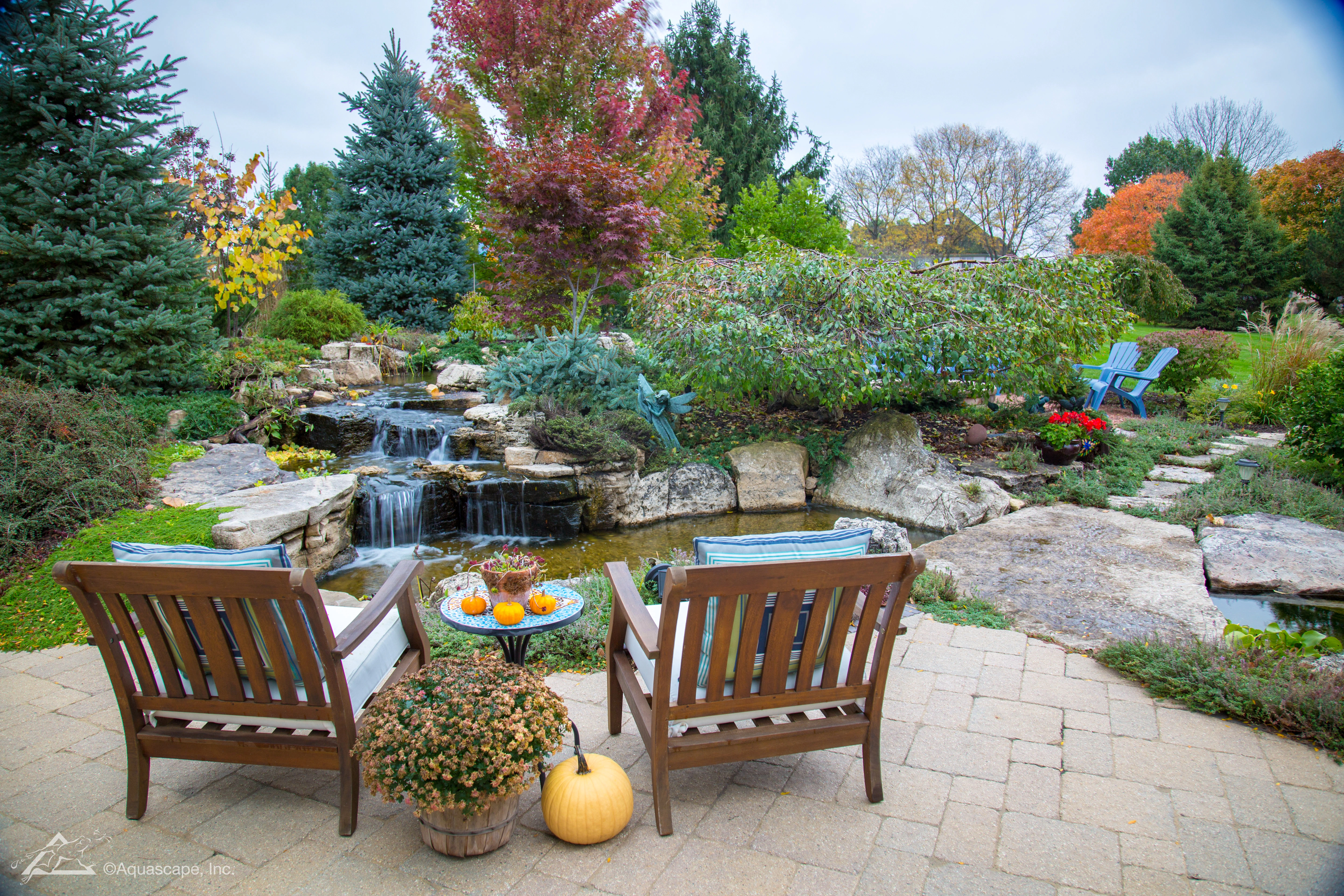
In Minnesota, pond care is not the same every month. A backyard ecosystem pond moves through a natural yearly rhythm: spring startup, summer balance, fall preparation, and winter dormancy.
The goal is not to constantly fight nature. The goal is to support the ecosystem at the right time so the pond stays healthy, clear, and enjoyable.
A properly designed ecosystem pond uses moving water, rock and gravel, biological filtration, beneficial bacteria, aquatic plants, and seasonal maintenance to stay balanced over time.
Spring Startup
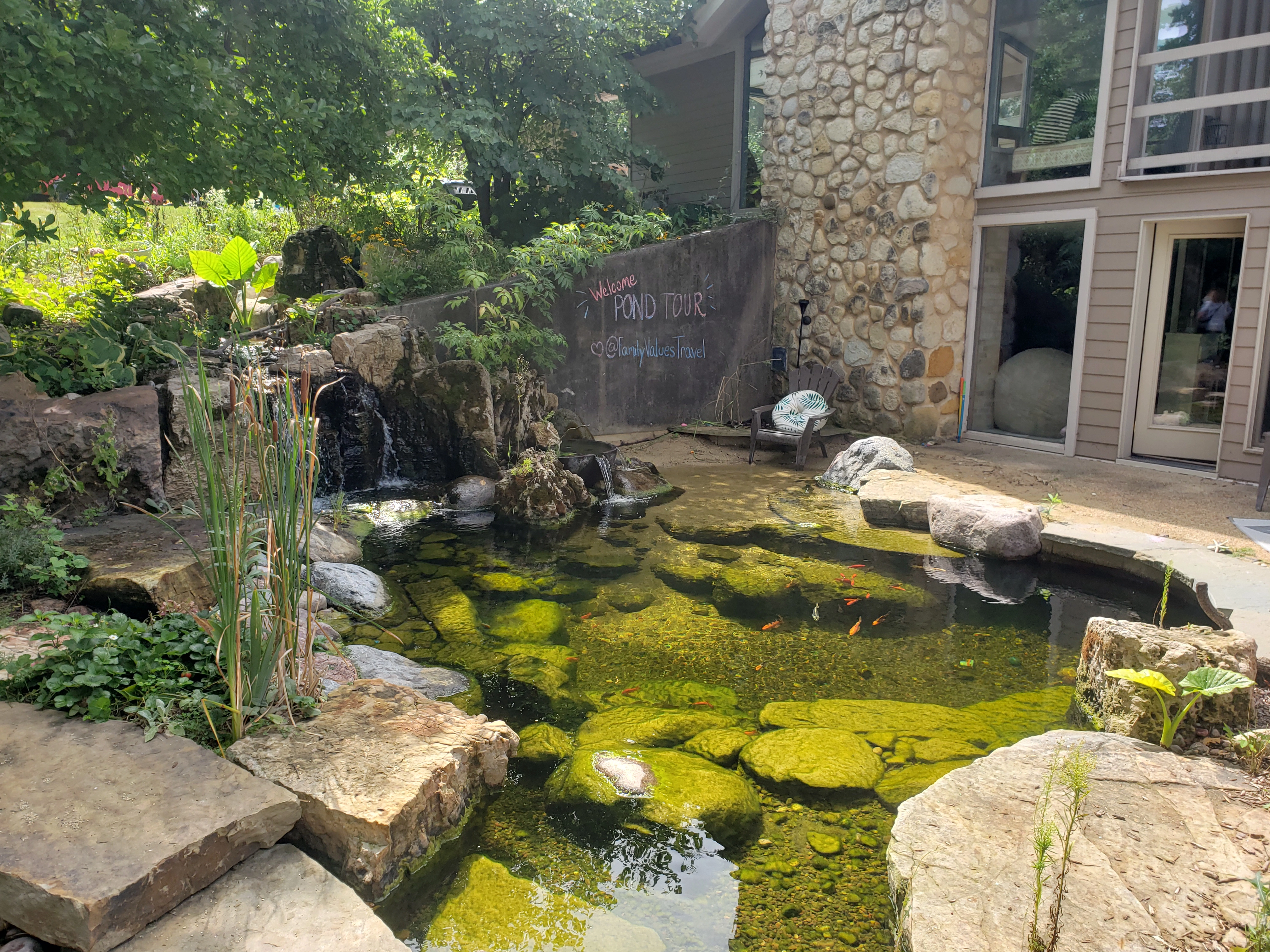
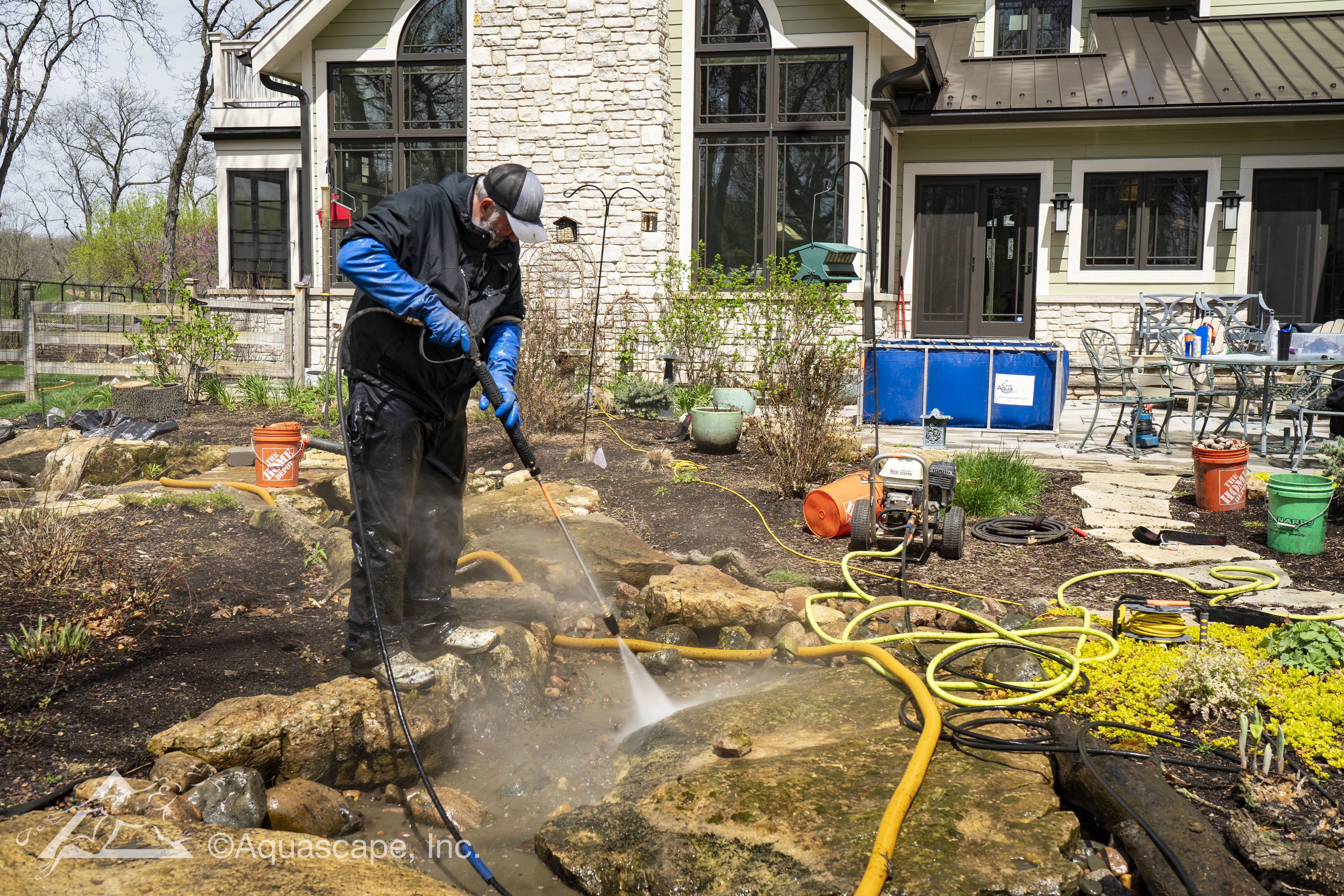
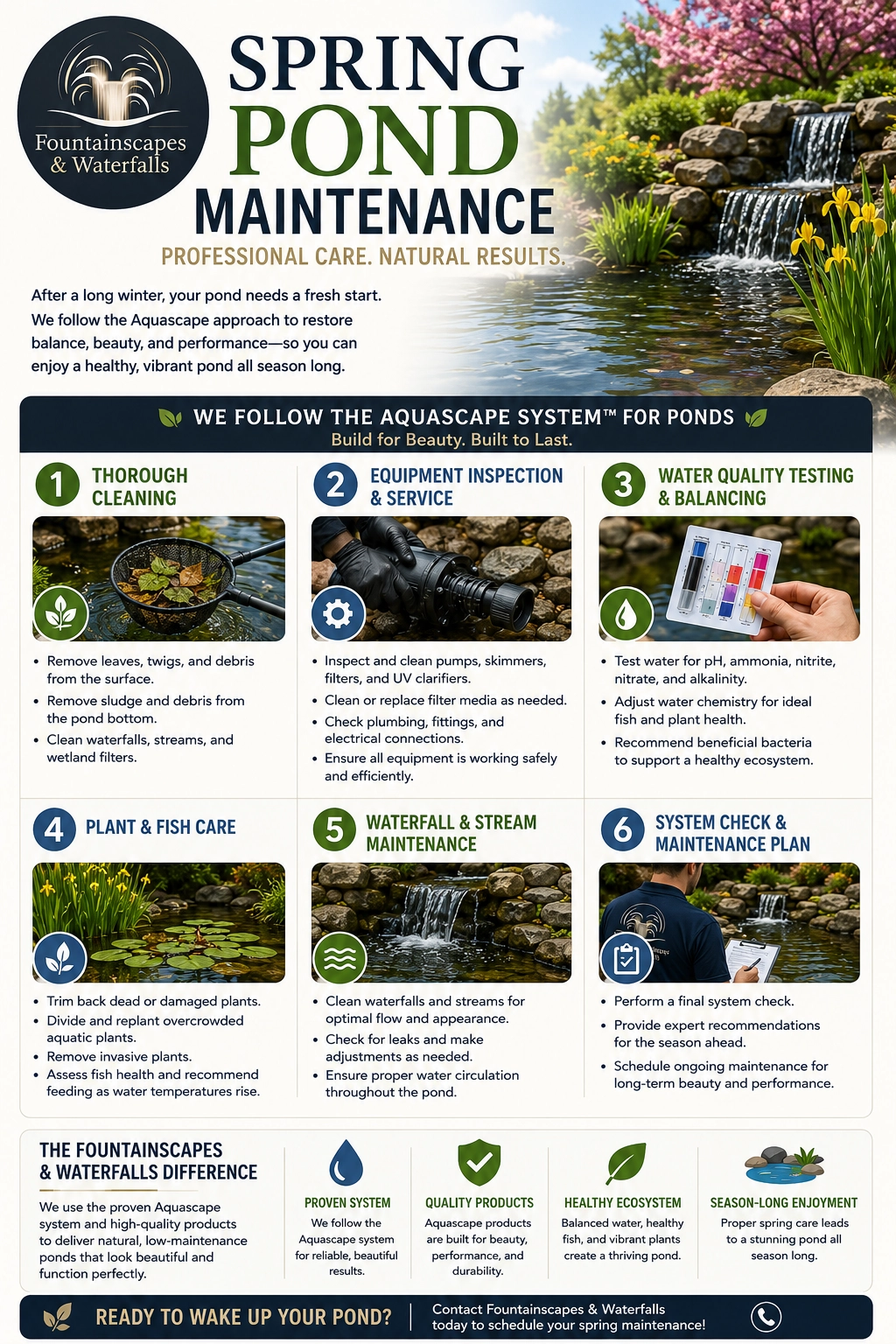
Spring is the reset season. After months of cold weather, the pond needs fresh circulation, cleaned debris, inspected equipment, and biological support.
A spring pond cleanout may include draining part or all of the pond, removing built-up debris, rinsing rock and gravel, cleaning filters, checking pumps, trimming plants, and restarting beneficial bacteria.
This is the season where good care sets the tone for the rest of the year.
Peak Season
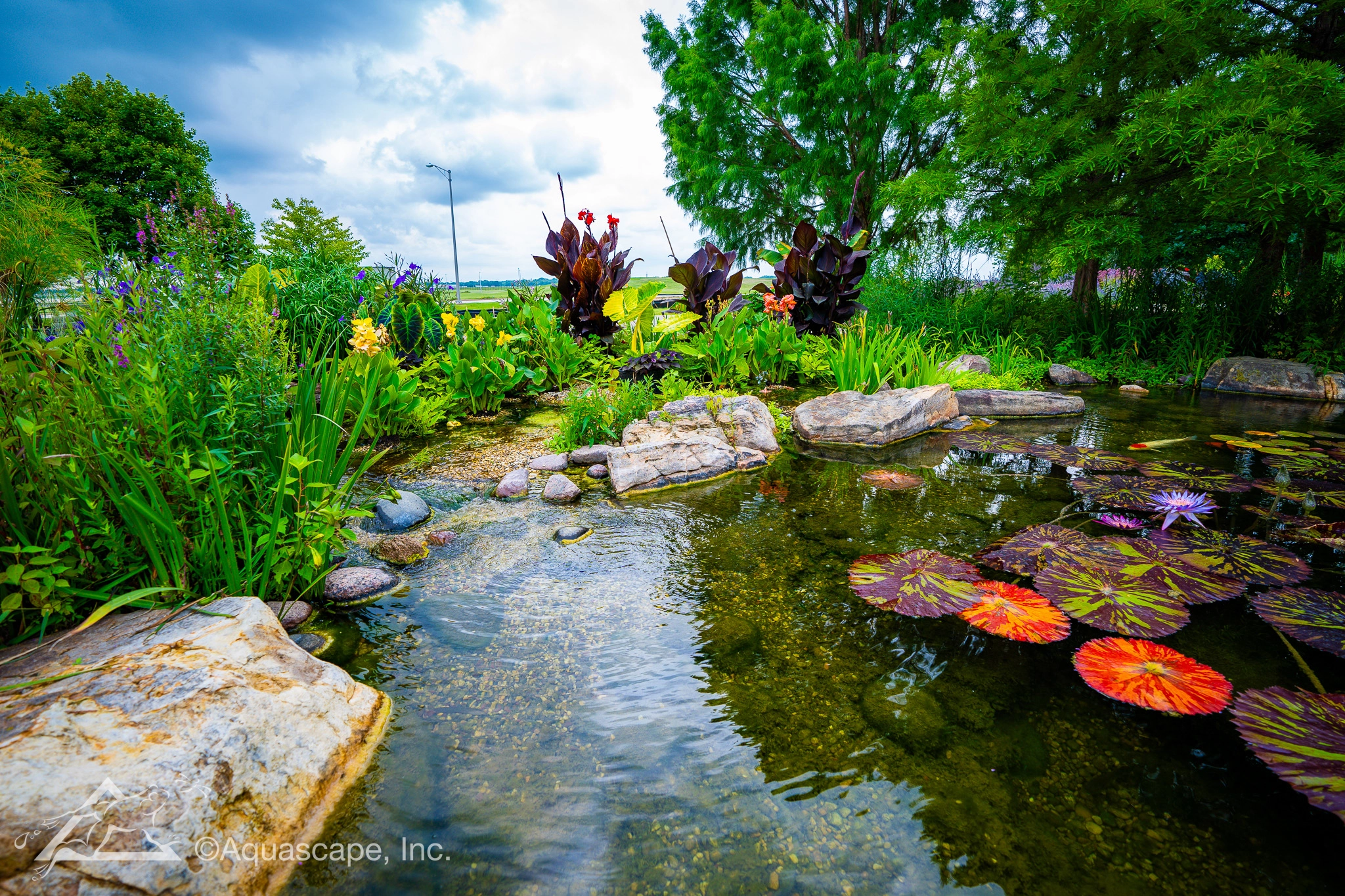
Summer is when the pond usually looks its most alive. Aquatic plants grow, fish become active, waterfalls run consistently, and the backyard becomes a place people want to use.
Summer pond care is usually lighter than spring care, but consistency matters. Small habits help prevent larger issues.
Fall Preparation
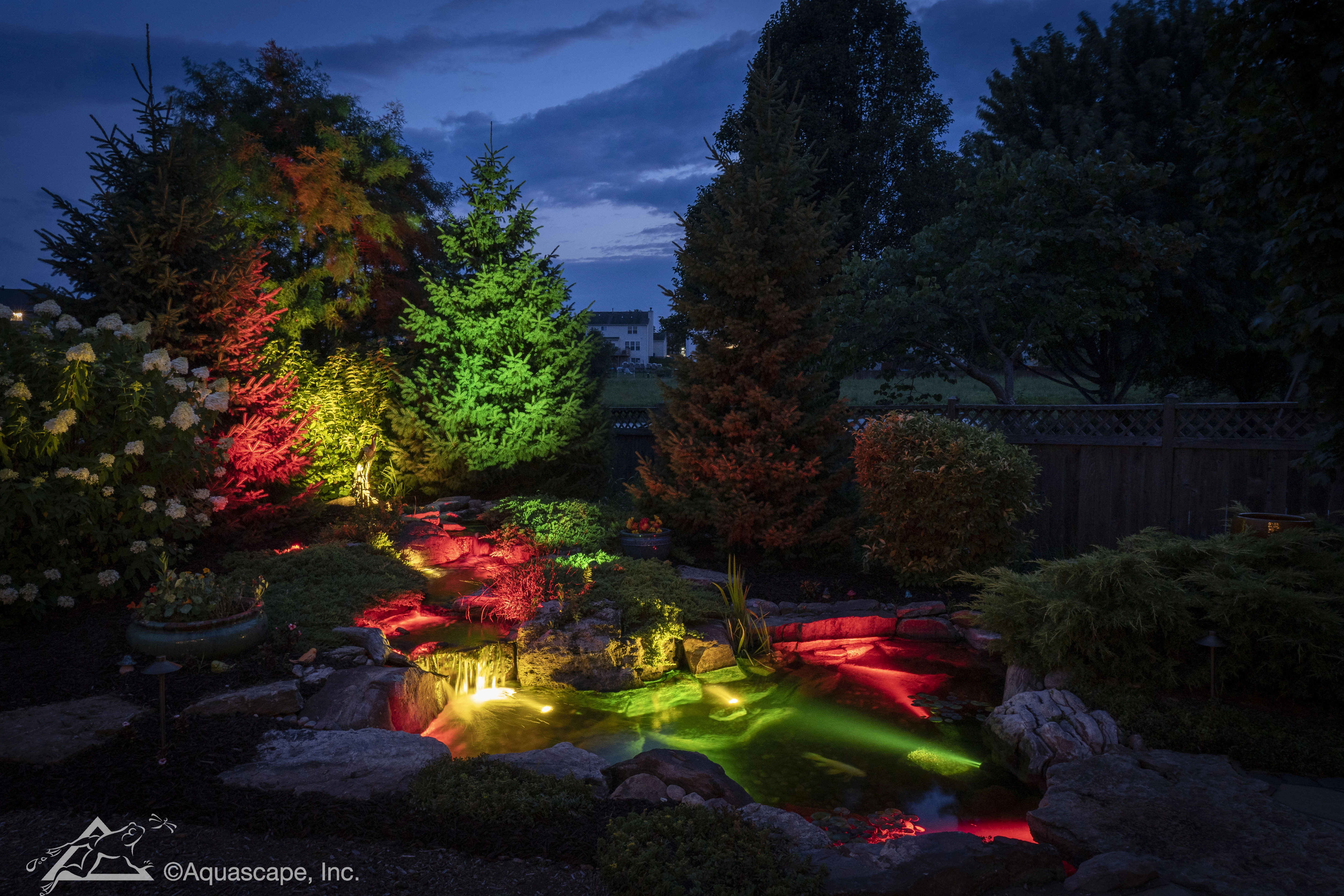
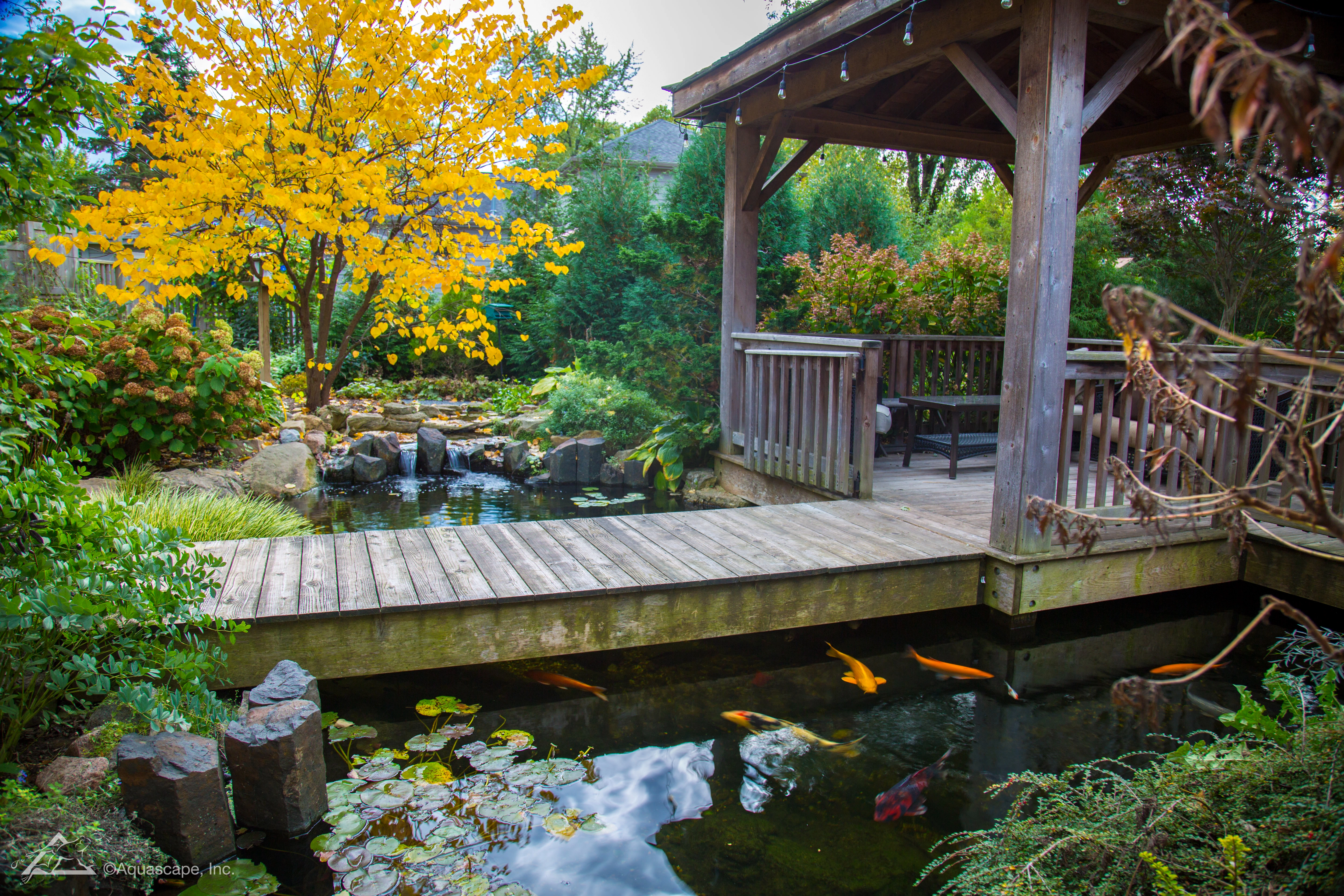
Fall is one of the most beautiful seasons for a Minnesota pond, but it is also one of the most important maintenance windows.
As leaves drop, organic debris can collect in the pond. If too much debris settles before winter, it can affect water quality and increase spring cleanup needs.
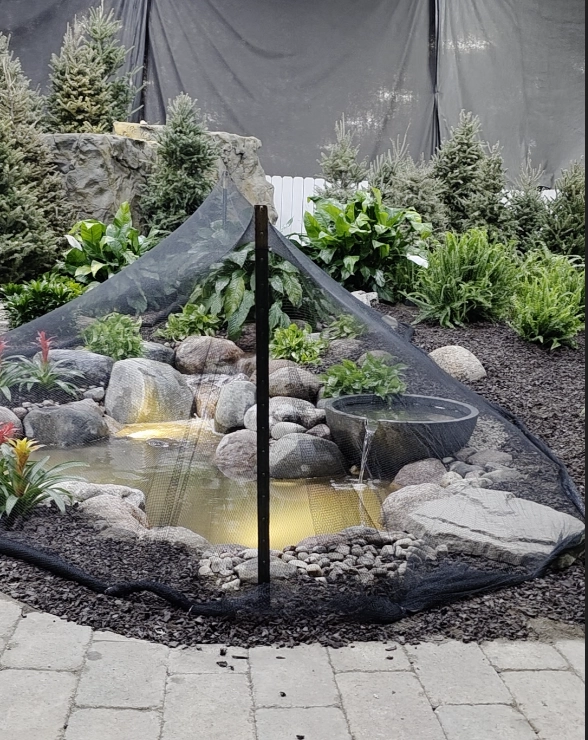
Fall care may include netting, trimming aquatic plants, removing leaves, reducing feeding as water cools, and preparing equipment for cold weather.
Cold Climate Care
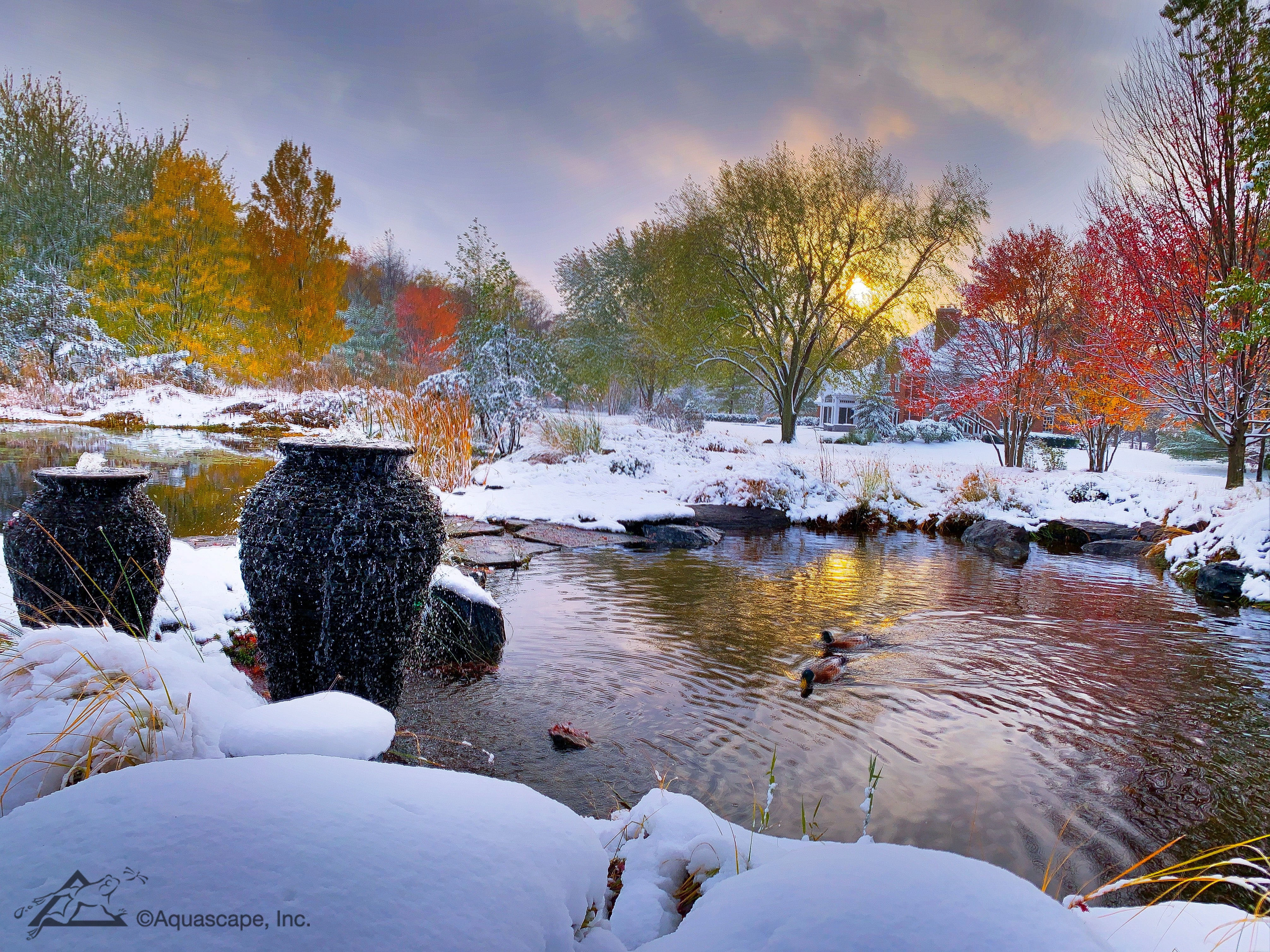
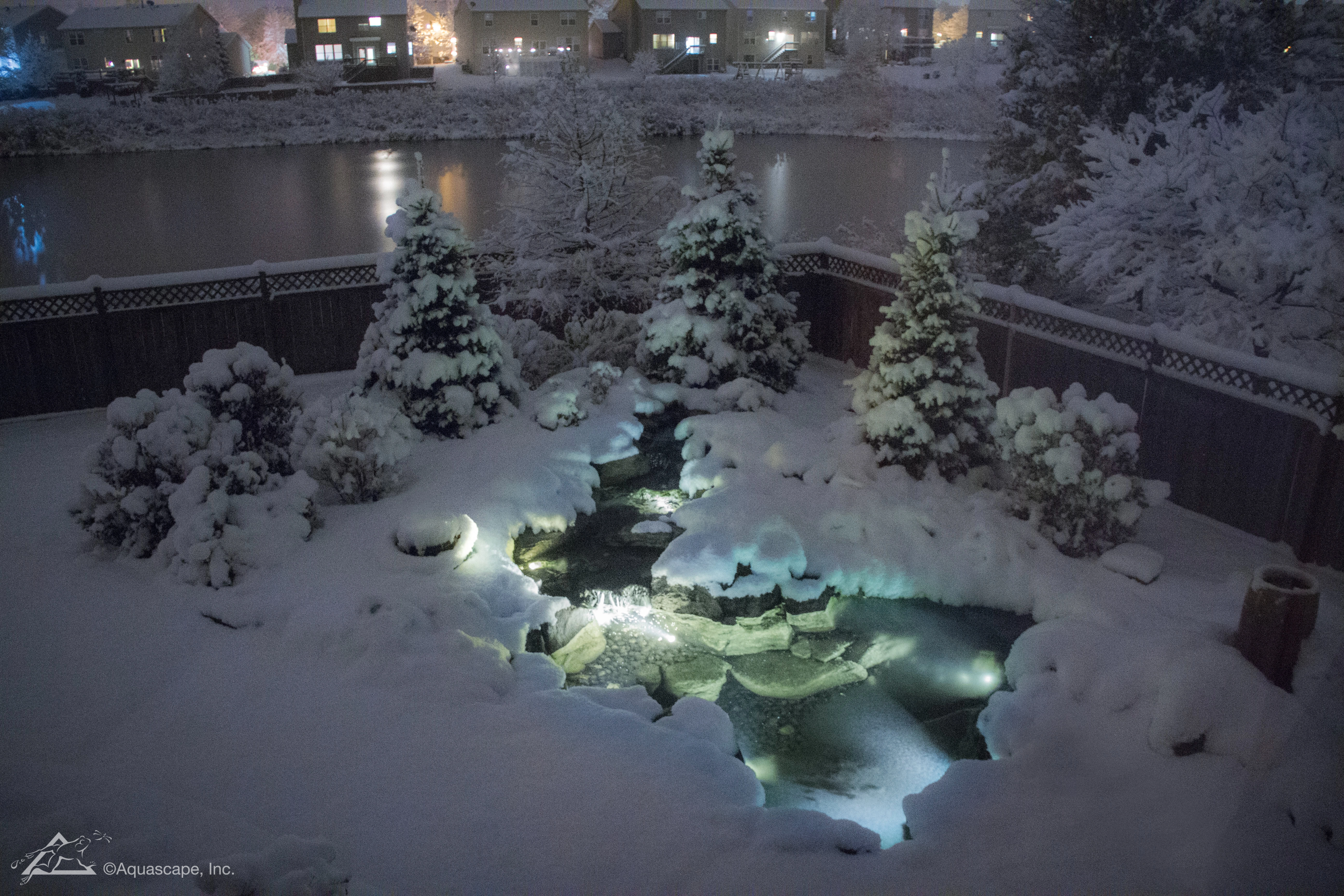
Winter pond care in Minnesota is about protection, oxygen, and understanding what the pond is doing beneath the surface.
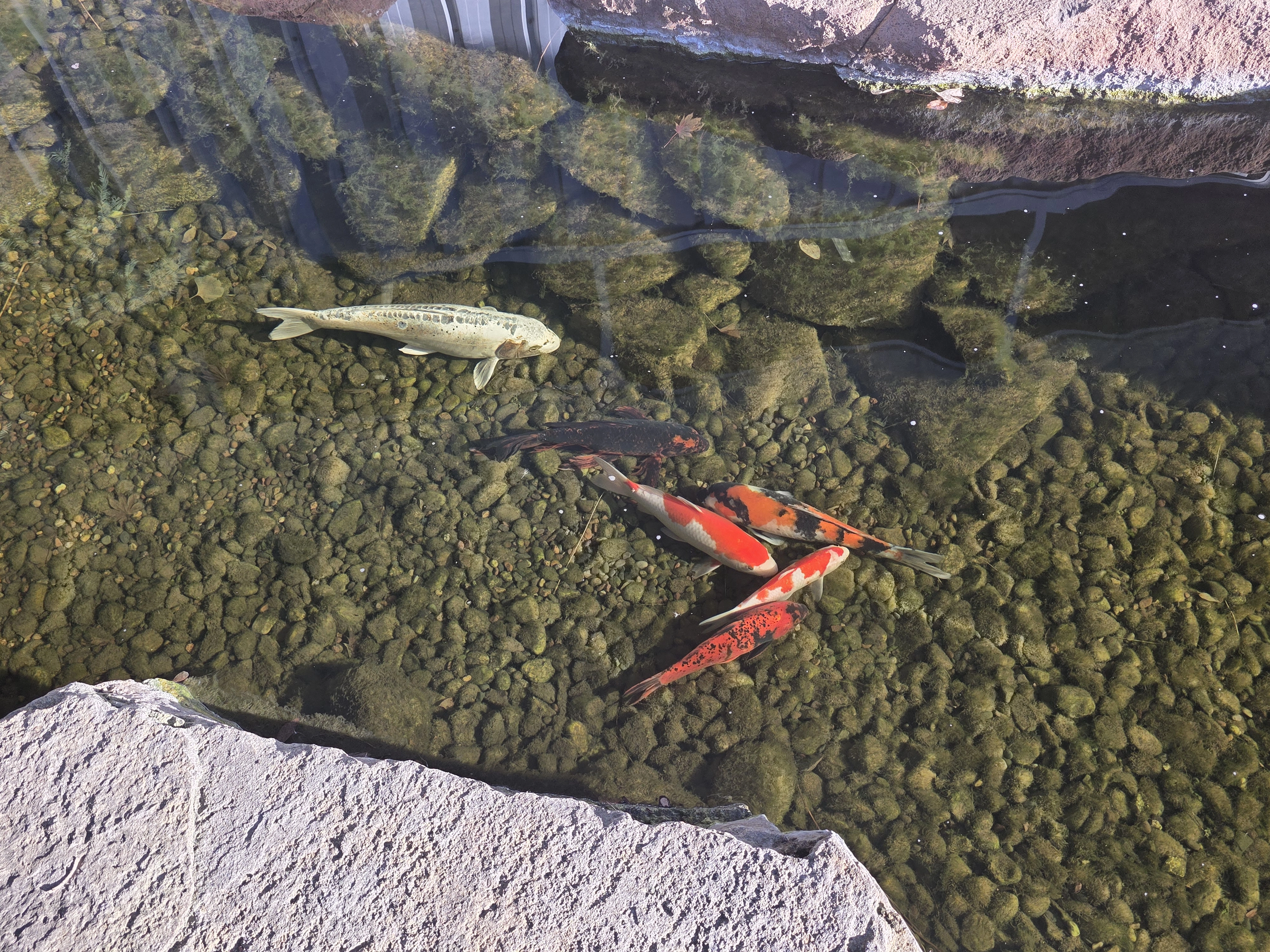
Fish slow down as water temperatures drop. Koi and goldfish enter a low-activity winter state often described as torpor. They should not be fed once water temperatures become too cold for digestion.
Some ponds continue running through portions of winter, while others are partially shut down depending on design, equipment, and owner preference.
Realistic Ownership
Most pond owners are not constantly working on their pond. In a well-built ecosystem, the homeowner’s role is usually light stewardship between larger seasonal service windows.
Typical homeowner care may include checking the skimmer basket, topping off water during hot weather, adding beneficial bacteria, removing occasional leaves, and watching how fish and plants respond through the season.
The better the pond is designed, the easier this rhythm becomes.
Professional Support
Professional maintenance is especially helpful during spring startup, fall shutdown, heavy debris situations, algae imbalance, equipment concerns, and winter preparation.
It also helps homeowners who love the look and sound of a pond but do not want to personally manage every seasonal detail.
Spring and fall are usually the most important. Spring resets the pond after winter, while fall prepares the pond for freezing temperatures, falling leaves, and winter dormancy.
Many ponds benefit from spring cleaning, but the level of cleaning depends on pond size, debris load, water quality, fish load, and how well the pond was prepared in fall.
No. Once water temperatures are too cold for proper digestion, koi should not be fed. Their metabolism slows down significantly during winter.
Pond netting is helpful when trees drop heavy leaves near the pond. It reduces debris buildup and can make spring cleanup easier.
Some ponds can run through portions of winter depending on design, plumbing, equipment, and owner preference. Other systems are partially shut down and protected.
Recommended Reading
Learn what backyard pond ownership actually feels like through every Minnesota season.
Understand what realistic water feature maintenance looks like for homeowners.
Explore professional pond maintenance options for long-term care and peace of mind.