 (507) 720-3450
 info@fountainscapesandwaterfalls.com



The Fast Answer (Minnesota Reality Check)
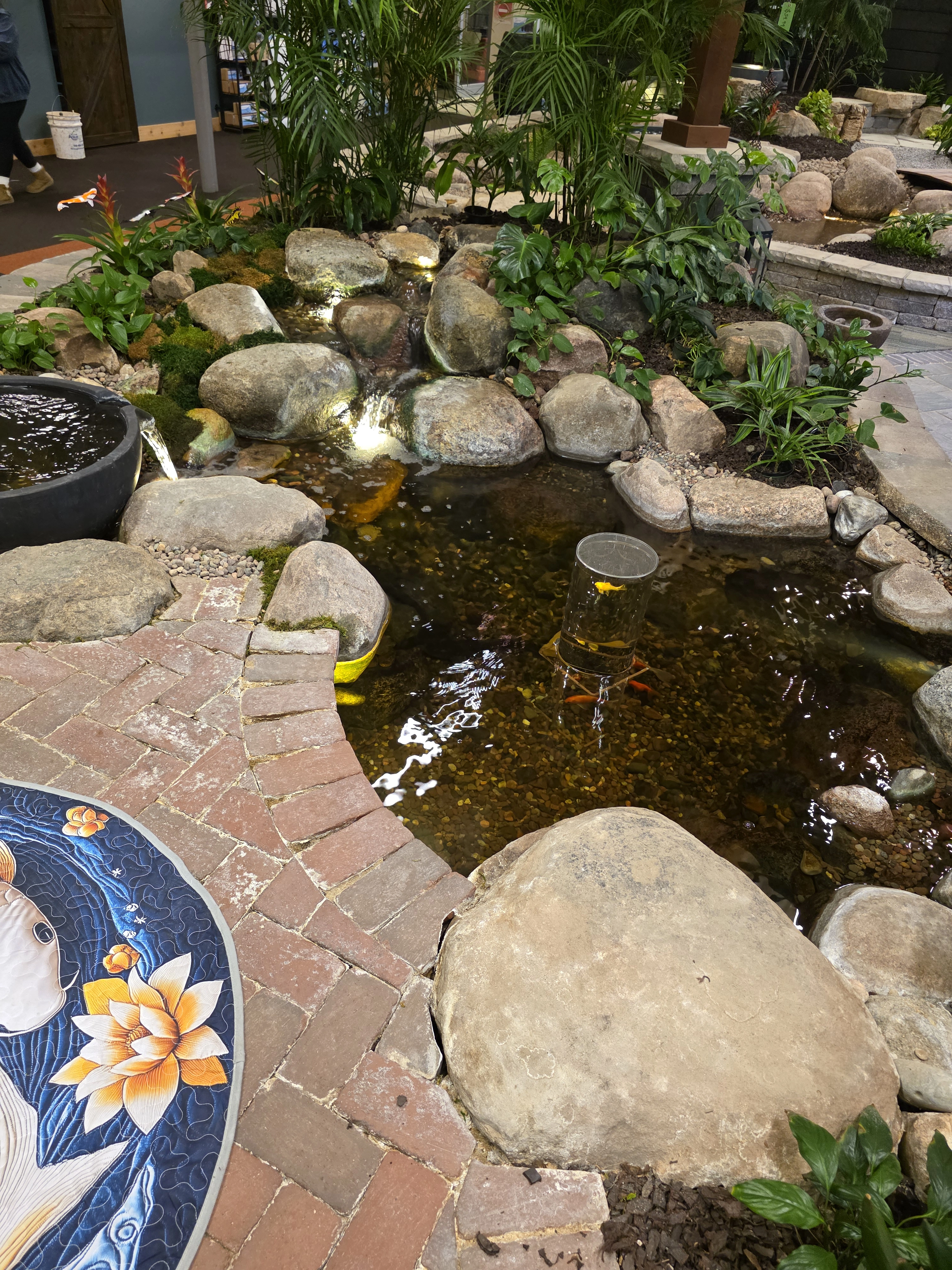
- Ecosystem pond: fish, a living environment, and a space that pulls you in to stay.
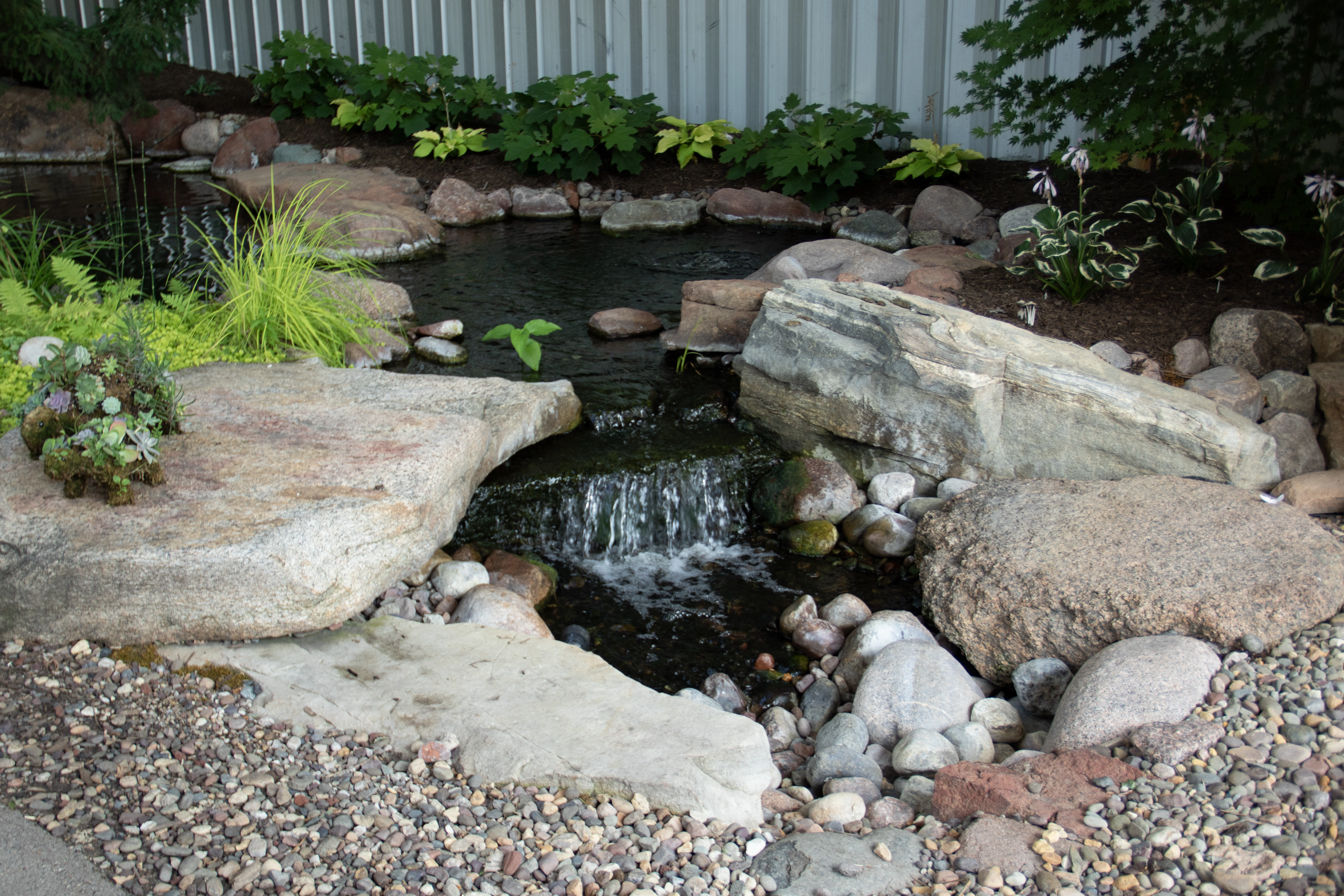
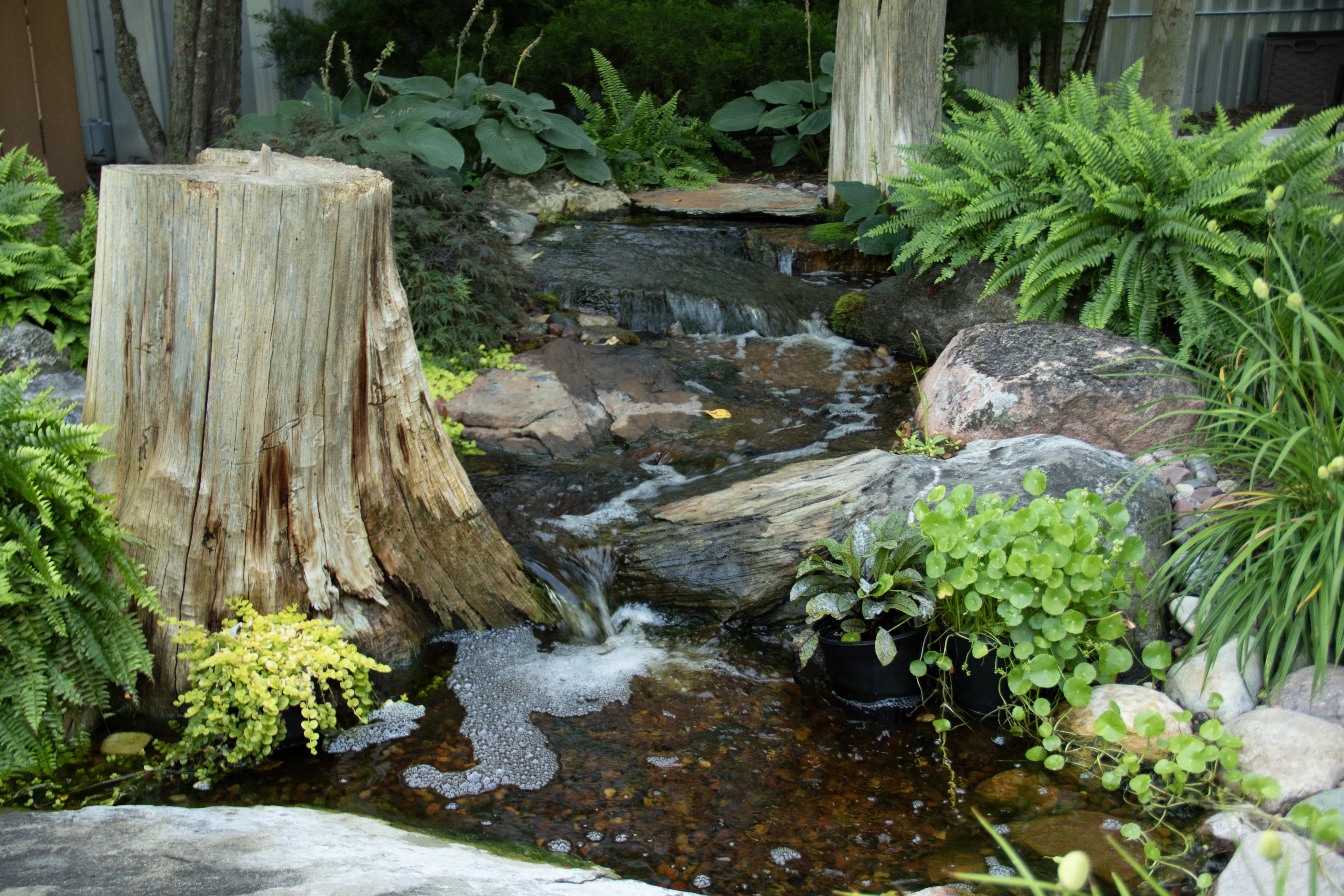
- Pondless waterfall: sound and motion of water without managing a living system.
Both can be built at a premium level. The real difference isn’t how they look. It’s what kind of owner you want to be.
What This Actually Feels Like to Own
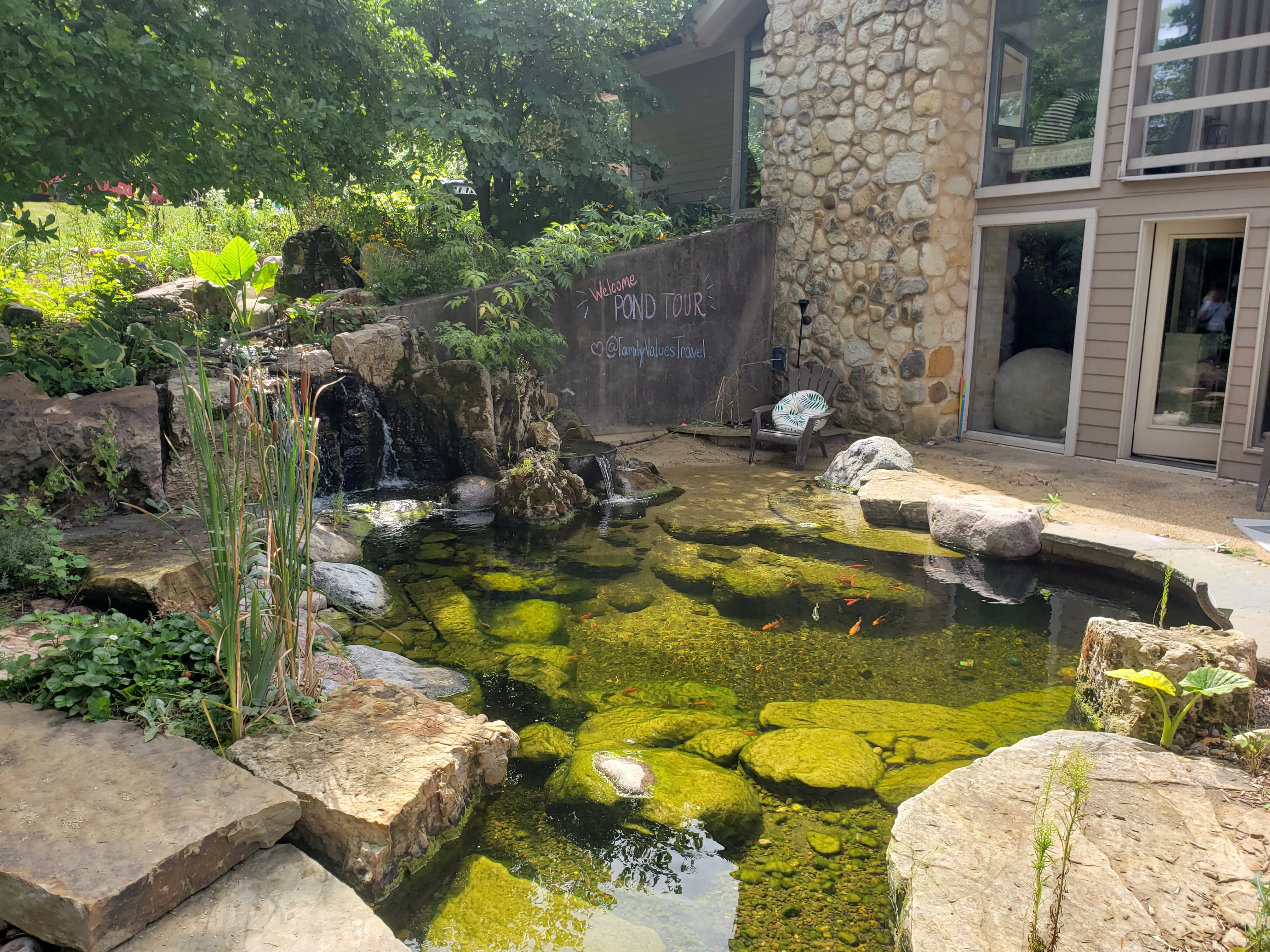
An ecosystem pond becomes part of your routine. You step outside and check on it. You notice the fish. You watch how it changes through the season. It’s something you interact with.
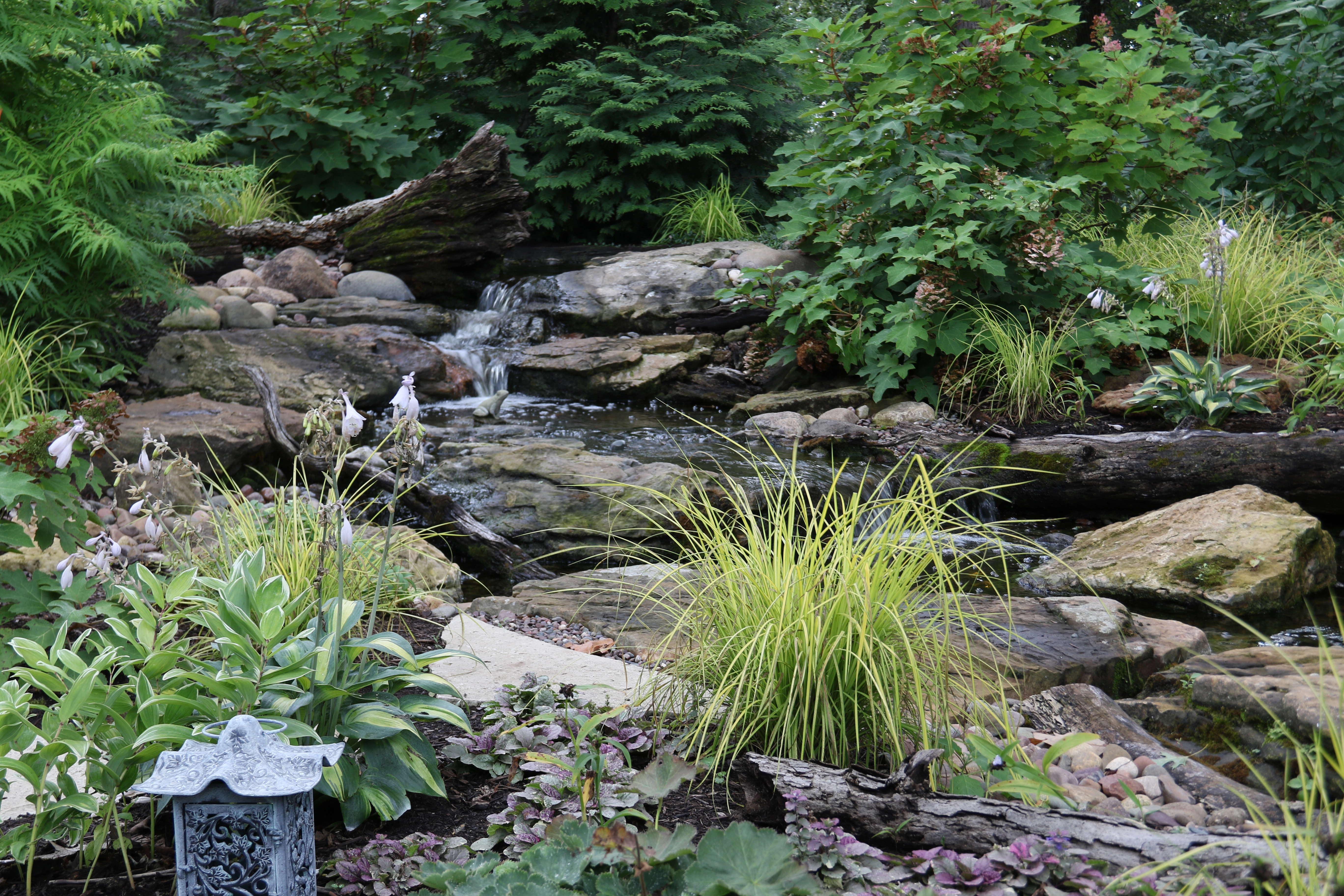
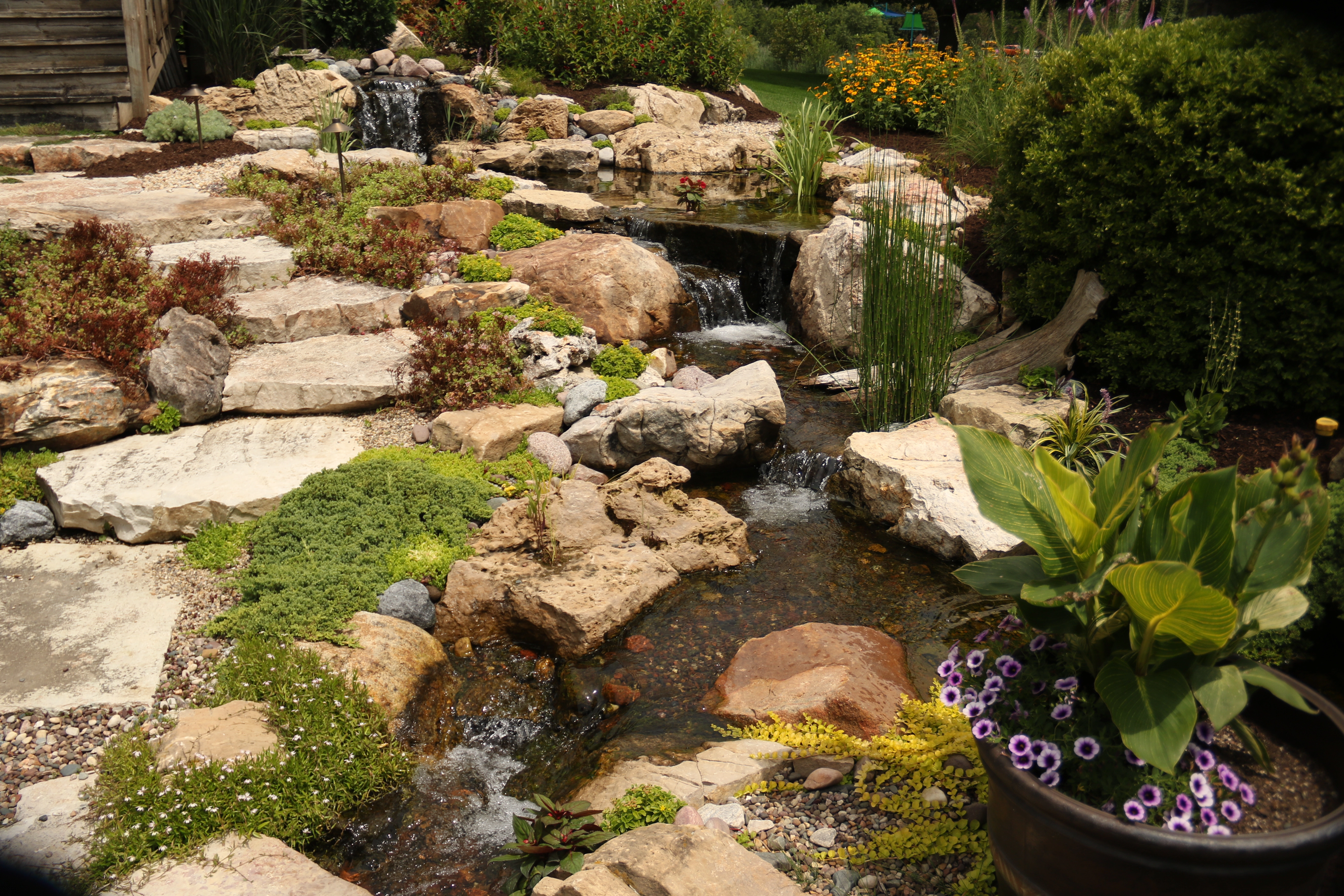
A pondless waterfall becomes part of your environment. You hear it when you walk outside. You see it when you pull into the driveway. It’s something you experience without managing.
Neither is better. They just live differently in your day-to-day life.
Side-by-Side Comparison (Minnesota Edition)
| Category | Ecosystem Pond | Pondless Waterfall |
|---|---|---|
| Maintenance | Living system with fish, feeding, and balance | Simpler upkeep focused on debris and pump performance |
| Winter | Requires planning (gas exchange, restart strategy) | Typically easier shutdown and restart |
| Safety | Open water feature | No standing pool of water |
| Experience | Calm, reflective, immersive | Dynamic, sound-driven, visual impact |
| Space | Needs enough footprint for proportion | Highly flexible for small spaces |
Related guides: Winter Shutdown Checklist and Spring Pond Cleanout: What to Expect. Pond maintenance in Minnesota Cost of a pond in Minnesota
The biggest difference most people miss:
A pond asks for attention. A pondless gives you atmosphere.
Cost Drivers: What Actually Changes the Price
The biggest budget shifts usually come from rock volume, access, waterfall height and stream length, plumbing complexity, and lighting.
- Access: tight gates, long wheelbarrow runs, slope, and soil conditions.
- Rock & gravel: more water movement = more stone and labor.
- Scale: height and length increase complexity quickly.
- Lighting: transforms night use and perceived value.
In many projects, the difference between “nice” and “unforgettable” isn’t the type of feature — it’s the stone, scale, and lighting decisions.
Start with real-world ranges here: Pricing Guide.
Which One Fits Your Yard?
You’ll probably love an ecosystem pond if:
- You want fish, plants, and a living system.
- You want a calm, reflective destination space.
- You enjoy something that evolves through the season.
You’ll probably love a pondless waterfall if:
- You want water sound and motion without fish complexity.
- You want simpler shutdown and restart.
- You want strong visual impact in a smaller footprint.
Still 50/50?
That’s normal. Most homeowners don’t fully decide until they see how each option would actually fit their yard.
FAQ
Which is lower maintenance?
Pondless waterfalls are typically simpler because there’s no fish load. Both still benefit from seasonal care.
Which works better in Minnesota winters?
Both perform well when built correctly. The difference is how they’re managed during freeze-up and restart.
Can I add lighting to either option?
Yes, and it’s one of the highest-impact upgrades. See Water Feature Lighting.
Is a pond more expensive than a pondless waterfall?
Not always. Both ecosystem ponds and pondless waterfalls can range widely depending on size, rock, access, and lighting. Ponds often include additional elements like fish habitat and deeper excavation, while pondless waterfalls may use more stone for vertical movement. The biggest cost differences usually come from scale and design choices, not just the feature type.
Can you convert a pond into a pondless waterfall?
Yes, in many cases an existing pond can be converted into a pondless waterfall by removing open water areas and redesigning the system to recirculate underground. This is often done when homeowners want lower maintenance or increased safety. The exact approach depends on the original construction and layout.
Do pondless waterfalls use more electricity?
Not necessarily. Both ponds and pondless waterfalls use energy-efficient pumps, and overall usage depends on pump size, run time, and water movement. Larger waterfalls with more elevation typically require stronger pumps, but both systems can be designed for efficient operation.
Want a Clear Recommendation for Your Yard?
Every property is different — space, elevation, access, and how you actually use your yard. We’ll help you choose the right direction before you commit to a design.
The on-site design consultation fee is $250 and is fully credited toward your project if you proceed.