 (507) 720-3450
 info@fountainscapesandwaterfalls.com



Minnesota Backyard Planning Guide
What Size Water Feature Is Right for My Yard?
The best water feature size usually has less to do with property square footage and more to do with how you want your outdoor space to feel. Some homeowners want a quiet visual accent near a patio. Others want a full backyard destination with waterfalls, fish, lighting, and the sound of moving water pulling the entire landscape together.
This guide helps you understand what types of ponds, pondless waterfalls, and fountainscapes tend to fit different yard sizes, lifestyles, viewing distances, and maintenance comfort levels throughout Minnesota.
Yard Size Isn’t Everything
One of the biggest misconceptions homeowners have is thinking a water feature has to be huge to feel impressive.
In reality, scale is about proportion, placement, and experience.
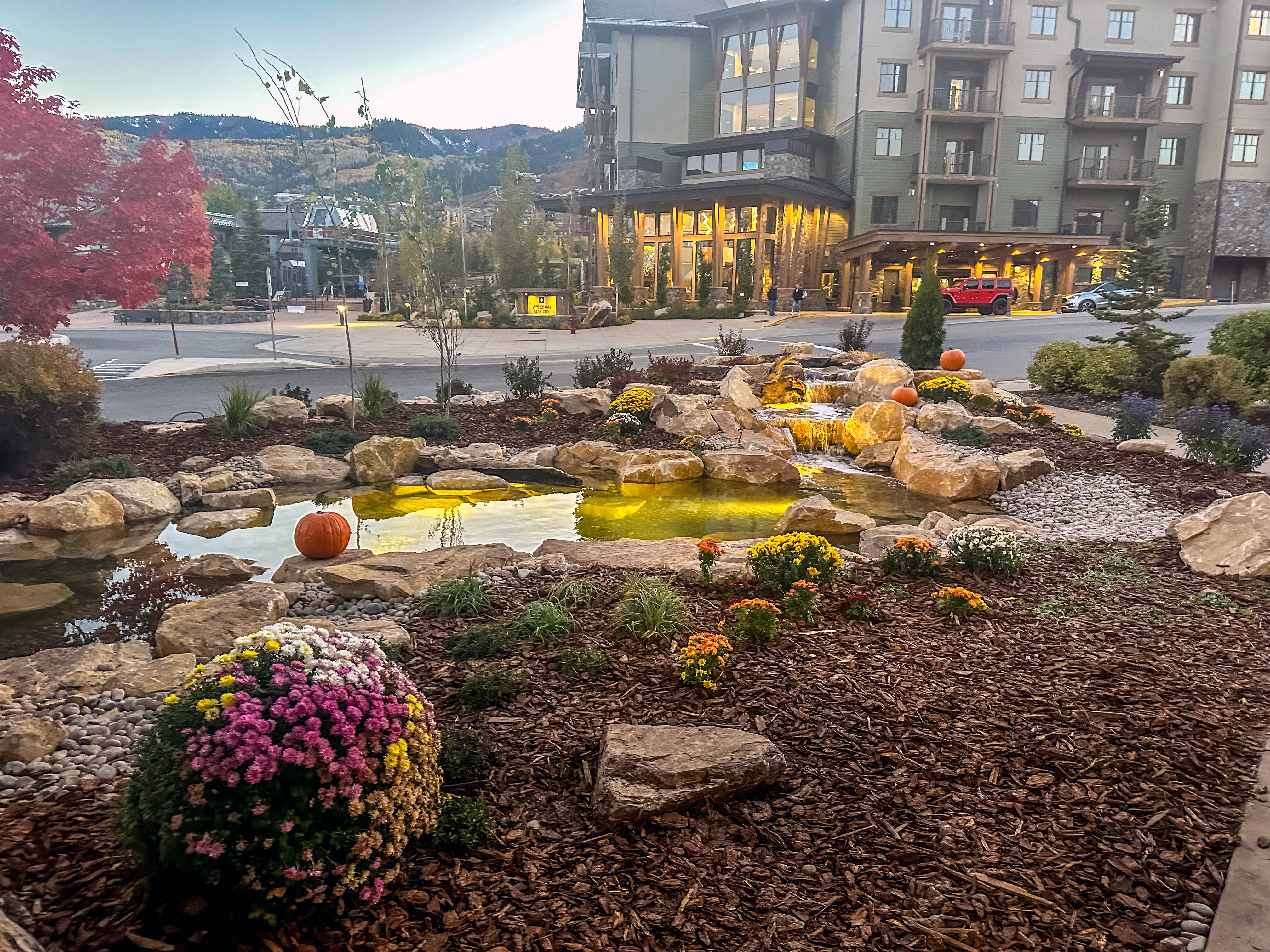
A well-designed fountainscape can completely transform a compact patio space. A medium-sized pondless waterfall can become the focal point of an average suburban backyard. Even large properties sometimes feel better with a carefully placed feature instead of an oversized build that dominates the landscape.
How do you want your backyard to feel when you walk outside?
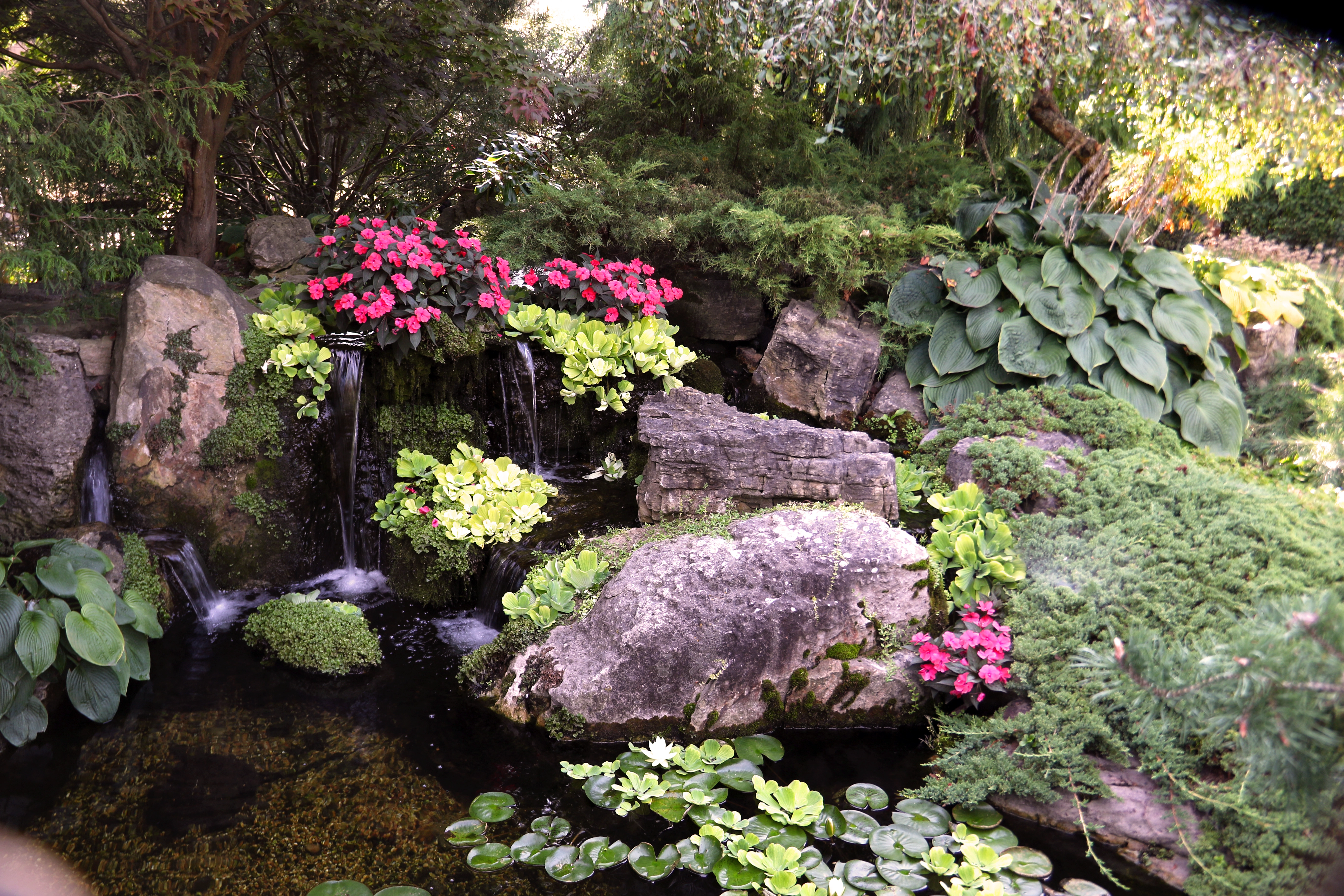
Small Yard Water Features
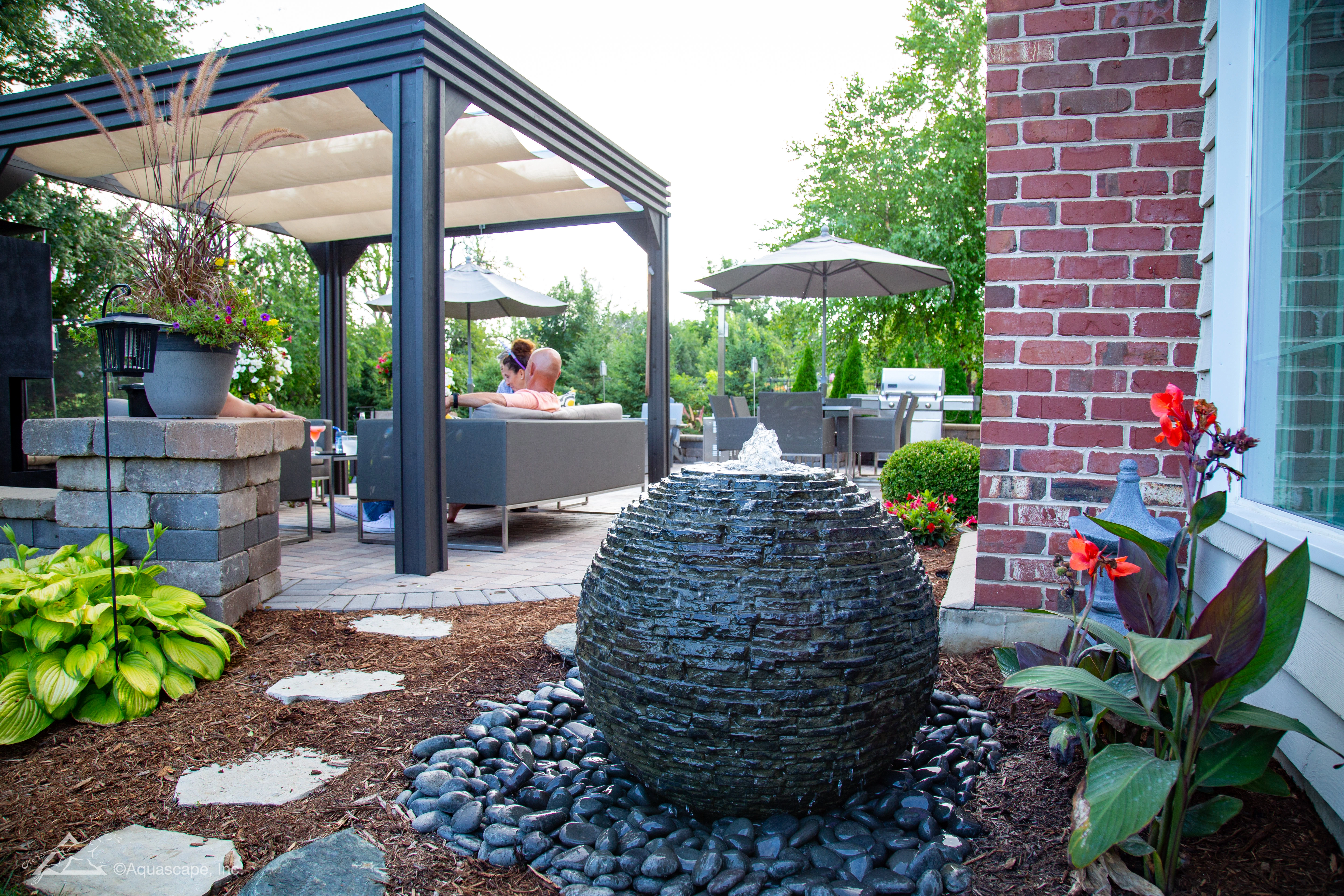
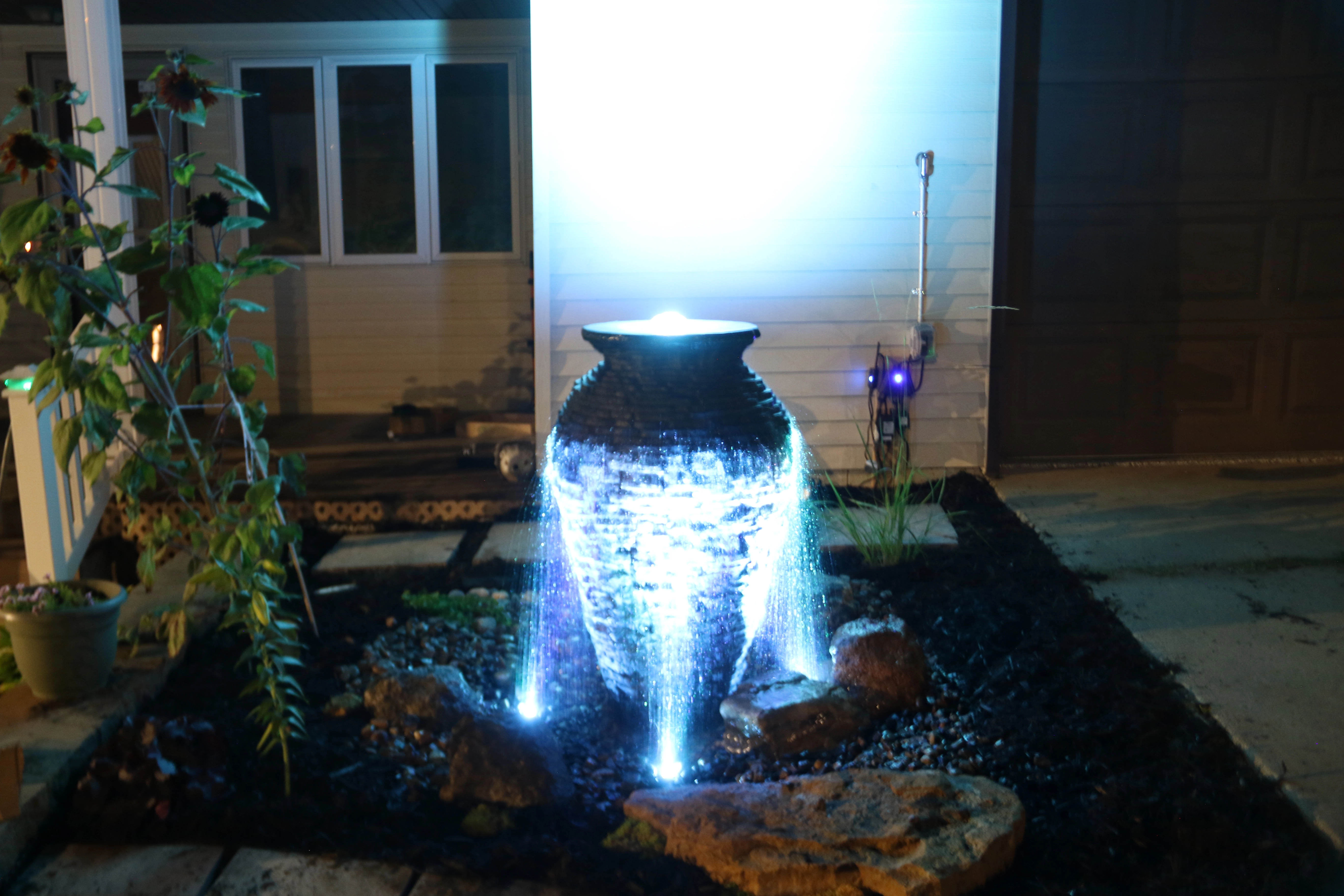
Small yards usually benefit most from compact water features that create atmosphere without overwhelming the space.
In many Minnesota neighborhoods, homeowners are surprised by how much impact a professionally designed fountainscape or pondless waterfall can create in a relatively small footprint.
Best Options for Smaller Spaces
- Fountainscapes with stacked slate urns or spheres
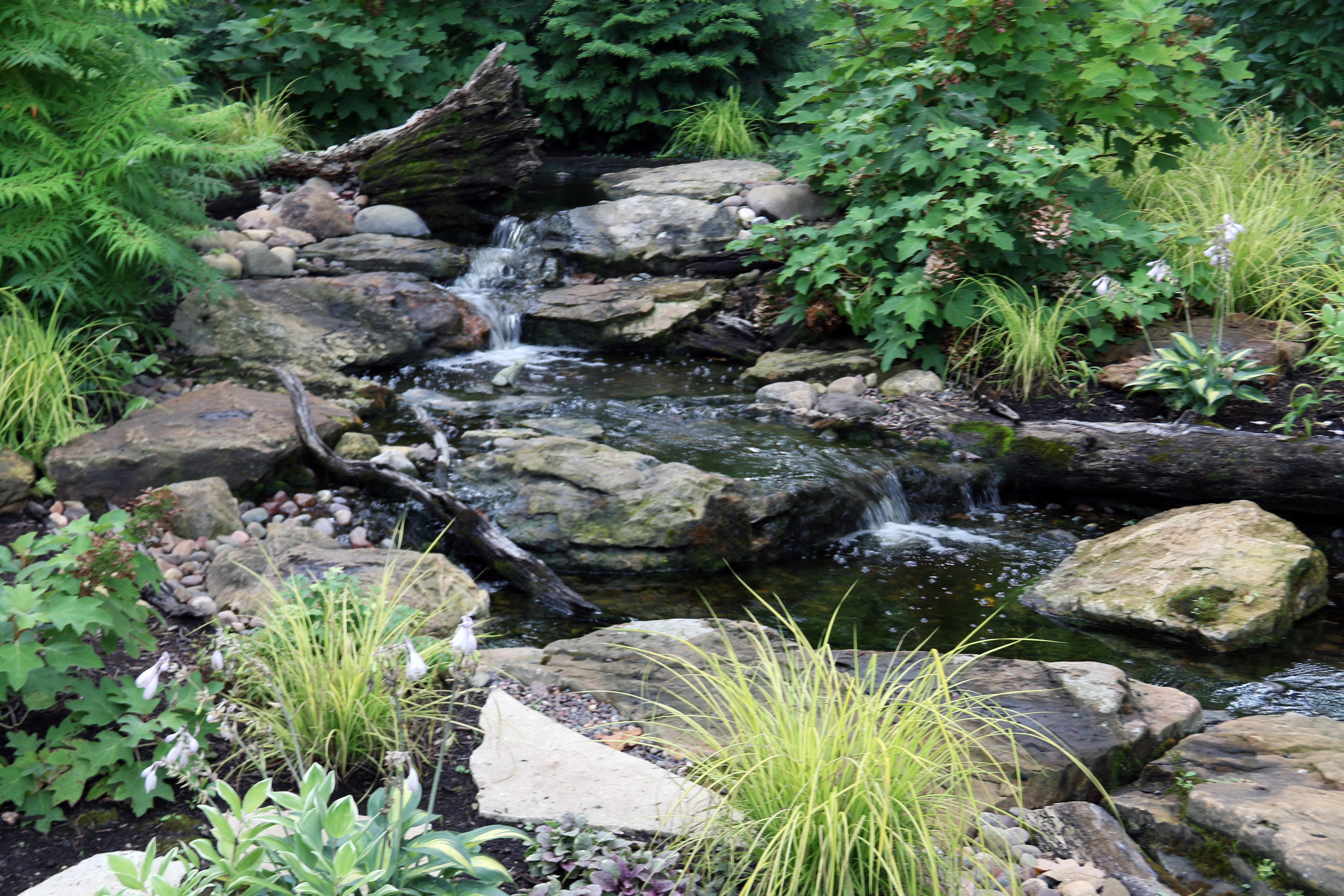
- Compact pondless waterfalls
- Patio-adjacent water features
- Entry focal point fountains
- Small ecosystem ponds with one viewing angle
Medium Yard Water Features
Medium-sized backyards are often the sweet spot for water feature design.
These spaces usually allow enough room for:
- Multiple waterfalls
- Integrated stream sections
- Seating zones
- Landscape lighting
- Naturalized planting pockets
- Comfortable walking circulation
This is also where many homeowners begin transitioning from “feature” to “experience.”
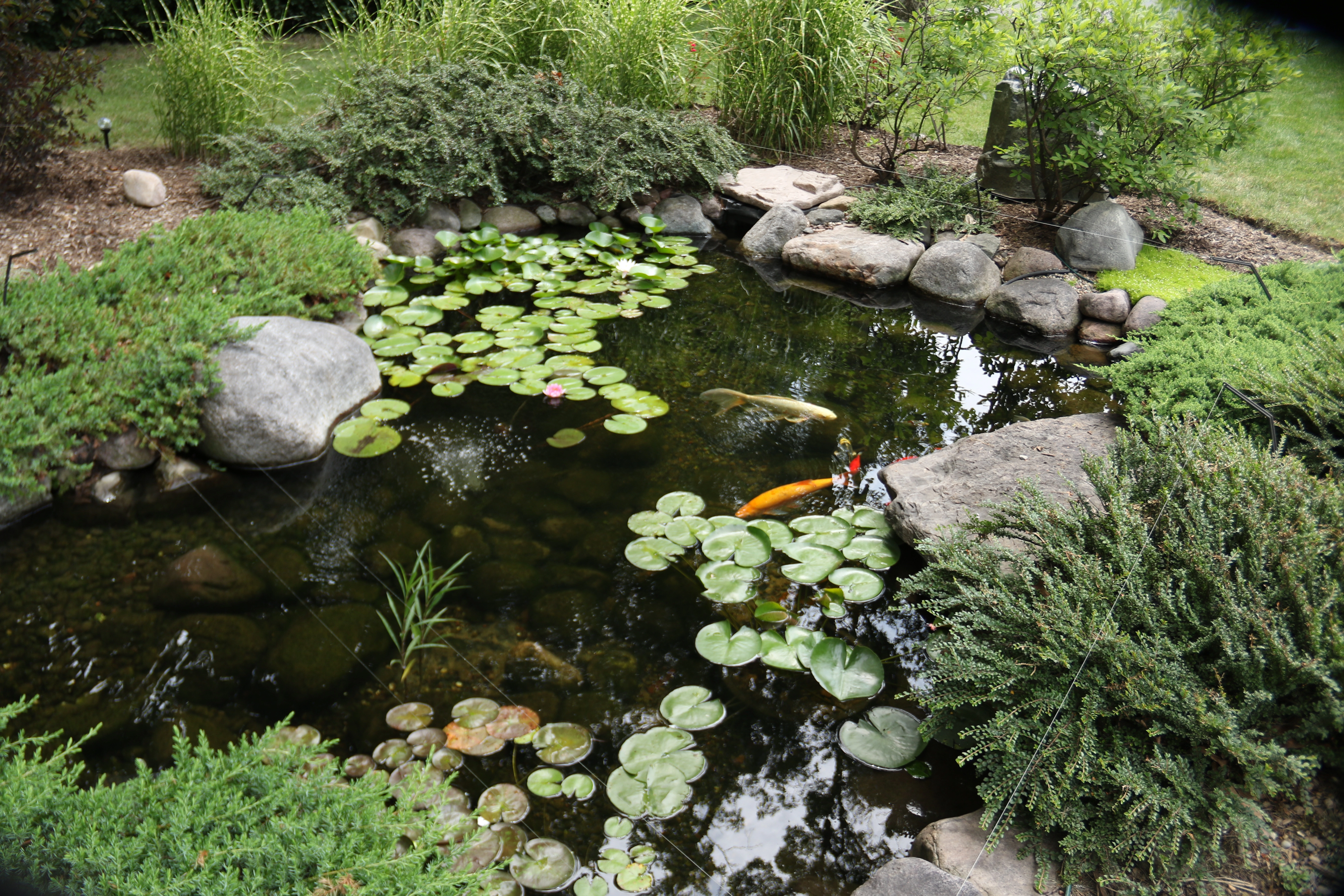
Instead of simply looking at water, the backyard starts feeling immersive. You hear it from the patio. You see reflections at night. The sound softens road noise and changes the emotional tone of the entire property.
Large Property Water Features
Larger properties create opportunities for destination-style ecosystem ponds and expansive pondless waterfall systems.
These projects often include:
- Layered waterfalls and stream systems
- Large biological filtration systems
- Koi ponds
- Bridges and pathways
- Boulder composition work
- Outdoor entertainment integration
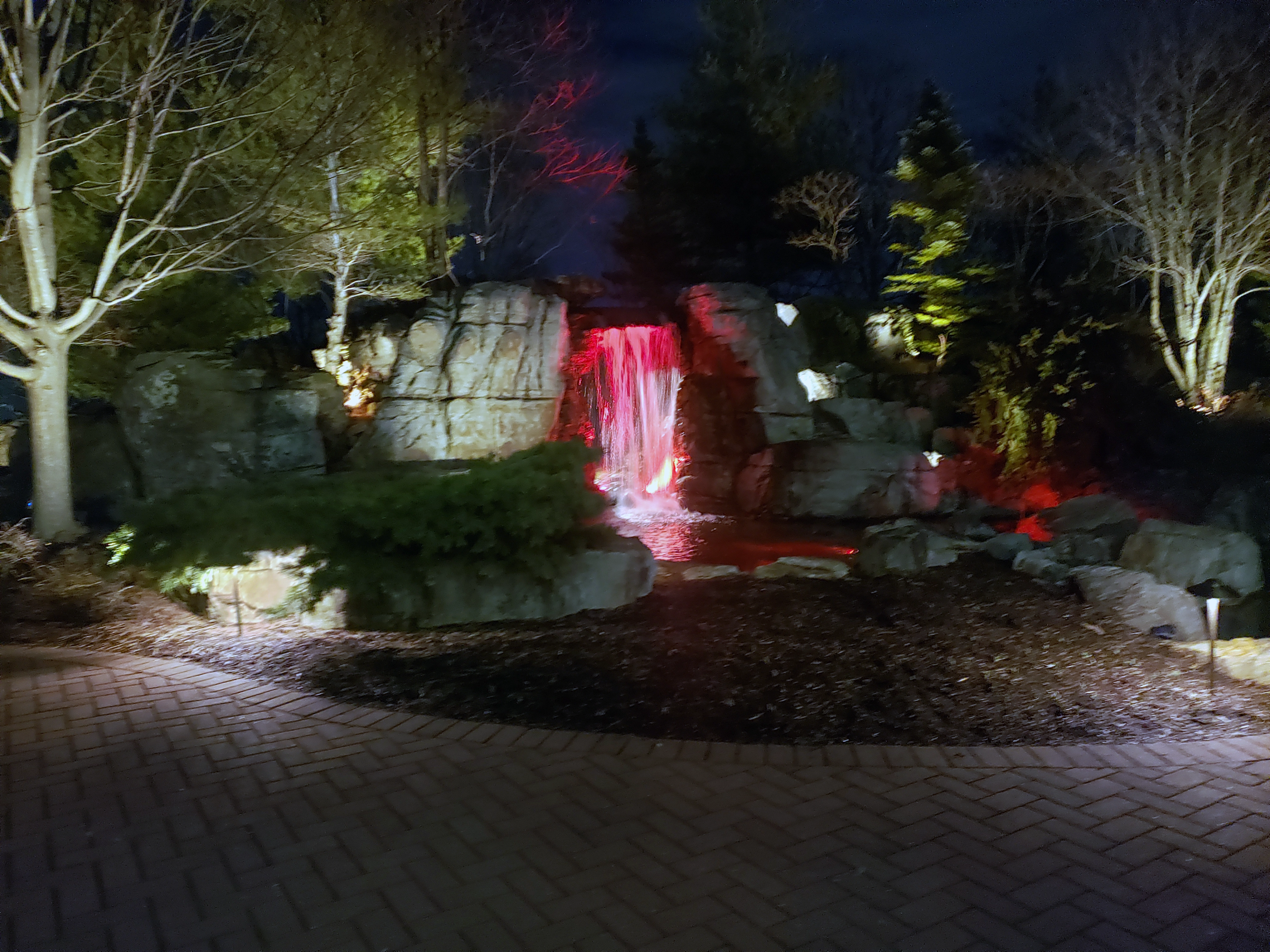
- Night lighting systems
The key is still proportional balance.
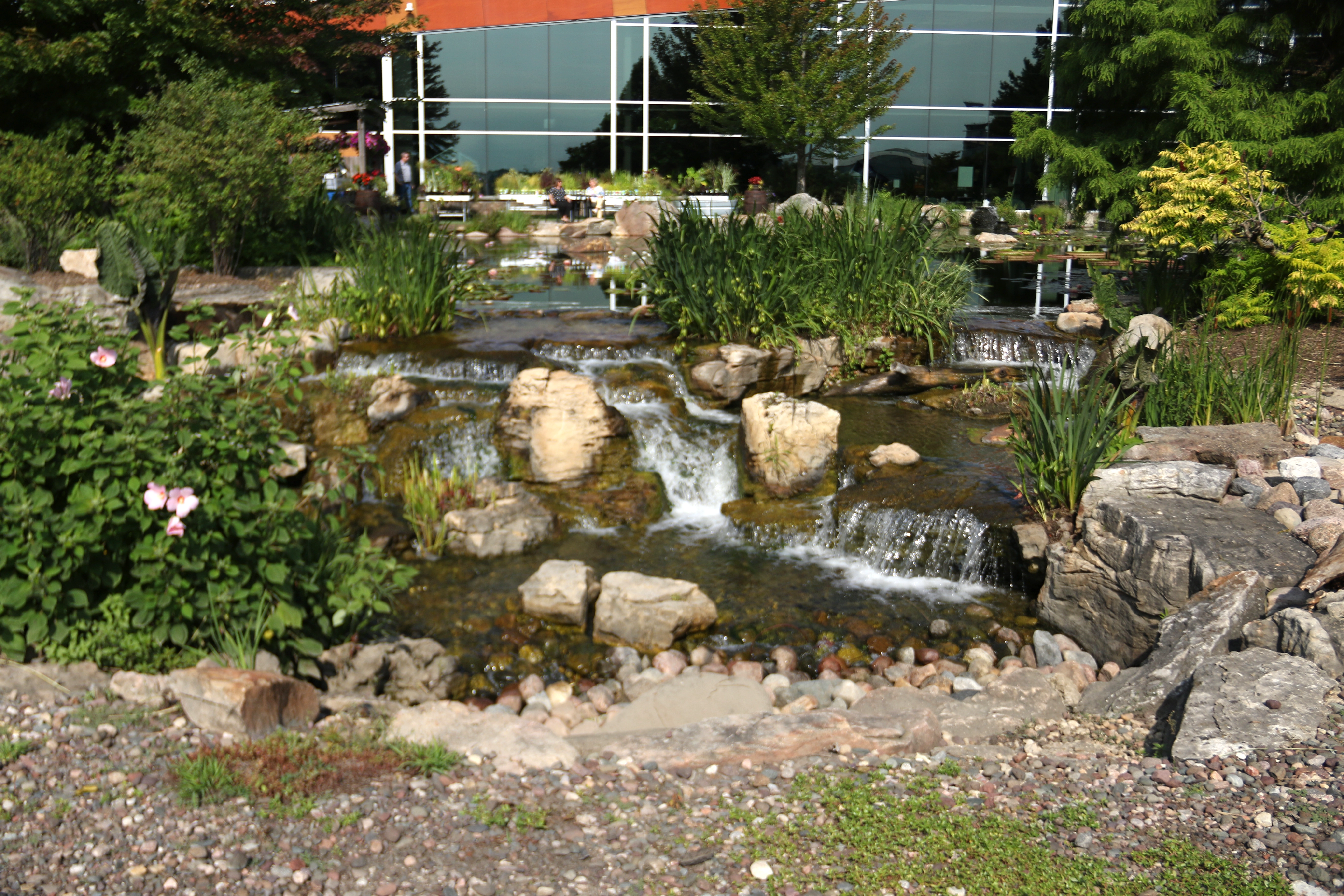
Even on large properties, oversized water features can feel disconnected if they are placed too far away from the home or primary outdoor living areas.
Viewing Distance Matters More Than Most People Think
One of the most overlooked design principles in water feature construction is viewing distance.
A water feature that looks incredible from 8 feet away may visually disappear from inside the house if it is too small or placed too far into the yard.
Questions We Usually Consider
- Will you mainly view it from indoors?
- Will it be beside a patio or deck?
- Do you want the sound to reach the house?
- Is it meant to be a destination feature?
- Will guests gather around it?
These questions often determine scale more accurately than property size alone.
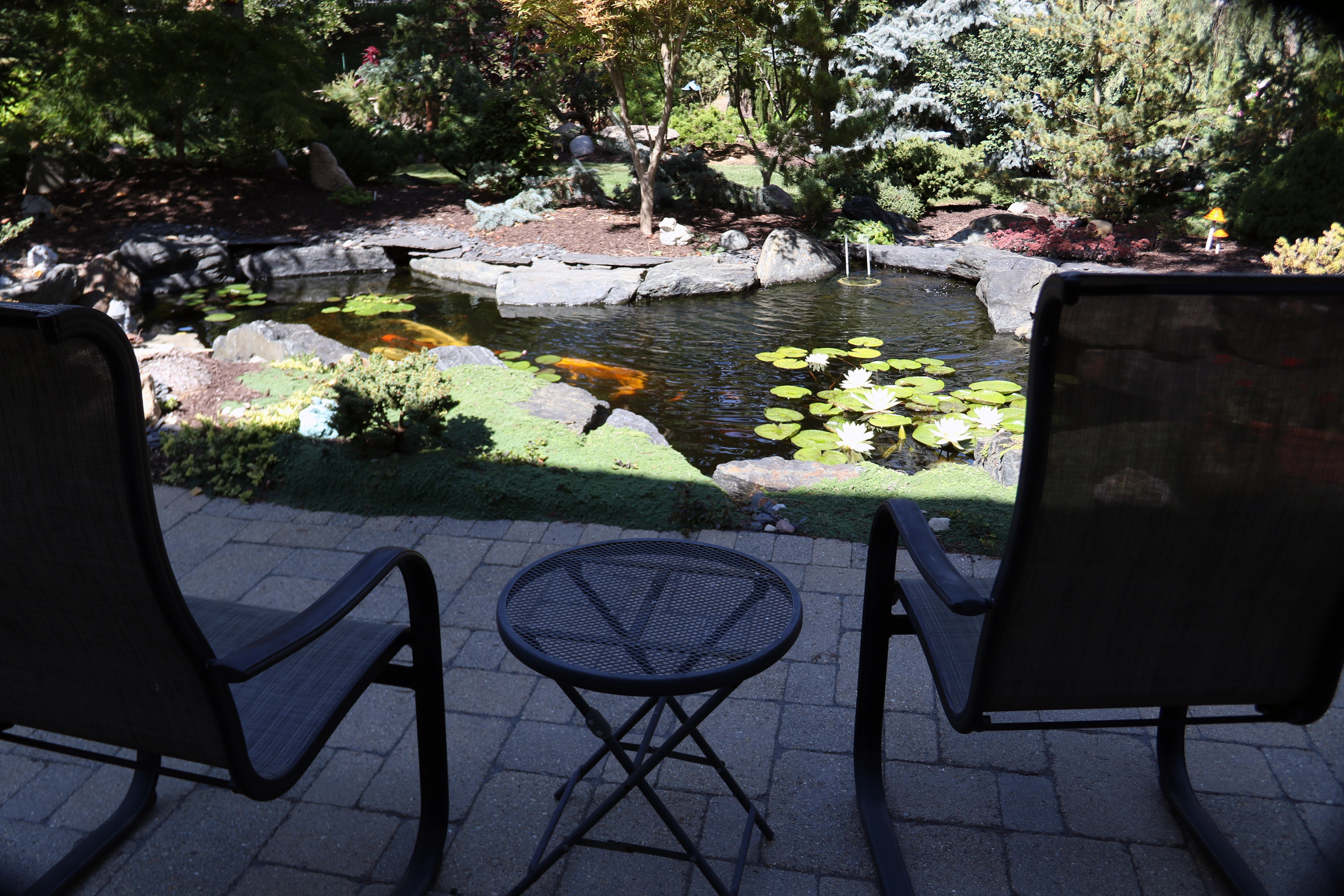
Sound and Atmosphere Change Everything
Water feature sizing also changes the sound profile of the backyard.
Smaller Features
Usually create softer, quieter ambient water sounds better suited for intimate patios and relaxation spaces.
Larger Features
Often create stronger waterfall acoustics capable of masking road noise, creating energy, and becoming a dominant environmental element.
Some homeowners want subtle calm. Others want the backyard to feel alive with movement and sound. Neither is wrong. They simply lead to different design scales.
Maintenance Comfort Should Influence Size
The right water feature is not necessarily the biggest one you can fit.
It is the one you will genuinely enjoy owning long-term.
Some homeowners love interacting with ecosystem ponds, fish, aquatic plants, and seasonal changes. Others want a simpler, lower-maintenance feature focused mostly on sound and atmosphere.
This is one reason pondless waterfalls and fountainscapes have become so popular throughout Minnesota.
Common Water Feature Sizing Mistakes
Building too small because of fear
Many homeowners initially underestimate how much visual and emotional impact water can create. Features that are slightly too small often disappear visually once landscaping matures.
Ignoring outdoor living patterns
The best water features are designed around how people actually move through and use the property.
Placing the feature too far from gathering areas
Water features generally create the strongest emotional connection when they are integrated into patios, decks, seating areas, and primary sightlines.
Only thinking about today
Landscaping grows. Outdoor living habits change. Many homeowners later wish they had designed for long-term enjoyment instead of immediate caution.
What Most Homeowners Eventually Discover
The “right size” water feature usually isn’t determined by square footage alone.
It is determined by:
- How the backyard is used
- How visible the feature is from the home
- How much atmosphere the homeowner wants
- Whether the goal is relaxation, entertainment, or both
- How immersive the outdoor experience should feel
Some of the most beautiful projects are surprisingly compact. Others become full outdoor environments built around waterfalls, streams, lighting, and gathering spaces.
The best solution is usually discovered through thoughtful design planning instead of guessing dimensions online.
Frequently Asked Questions
Can a small backyard still have a waterfall?
Absolutely. Small pondless waterfalls and fountainscapes are extremely popular because they create sound, movement, and atmosphere without requiring a large footprint.
What is the most popular water feature size?
Medium-sized pondless waterfalls and ecosystem ponds are often the most common because they balance visual impact, sound, usability, and maintenance.
Do larger water features require more maintenance?
In general, larger systems involve more water volume, rockwork, filtration, and landscaping. However, properly designed ecosystem water features are built for long-term biological balance and manageable upkeep.
How close should a water feature be to a patio?
Many professionally designed projects intentionally place water near patios, decks, or seating areas so homeowners can hear and experience the feature daily.
Can water features be added to existing backyards?
Yes. Many projects are retrofit installations added into completed landscapes, patios, or existing outdoor living spaces.