 (507) 720-3450
 info@fountainscapesandwaterfalls.com




How Do I Deal with Brown Pond Water?
Brown, tea-colored, or muddy pond water can have several different causes. The key is figuring out why the water is brown before trying to fix it.
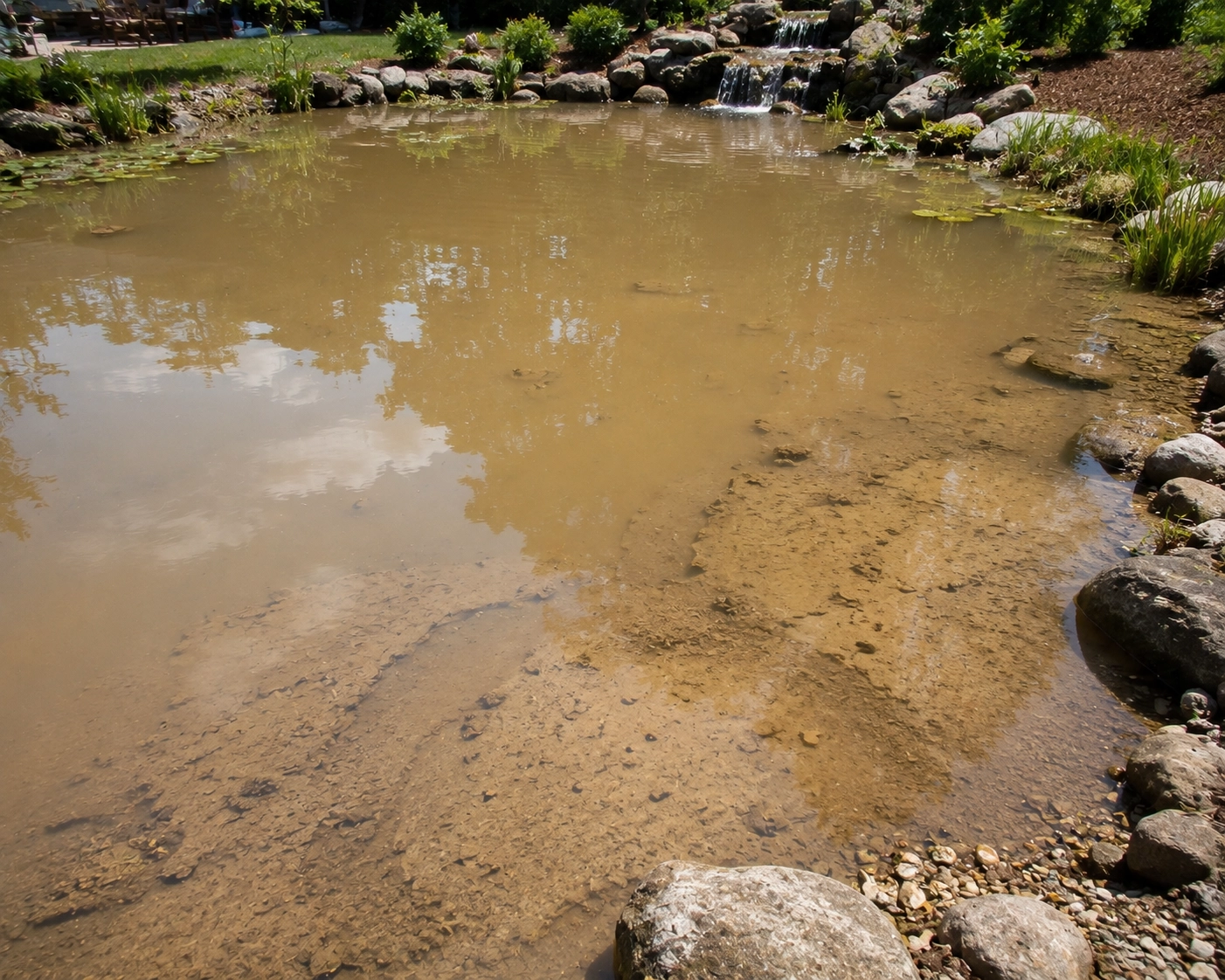
The Fast Answer
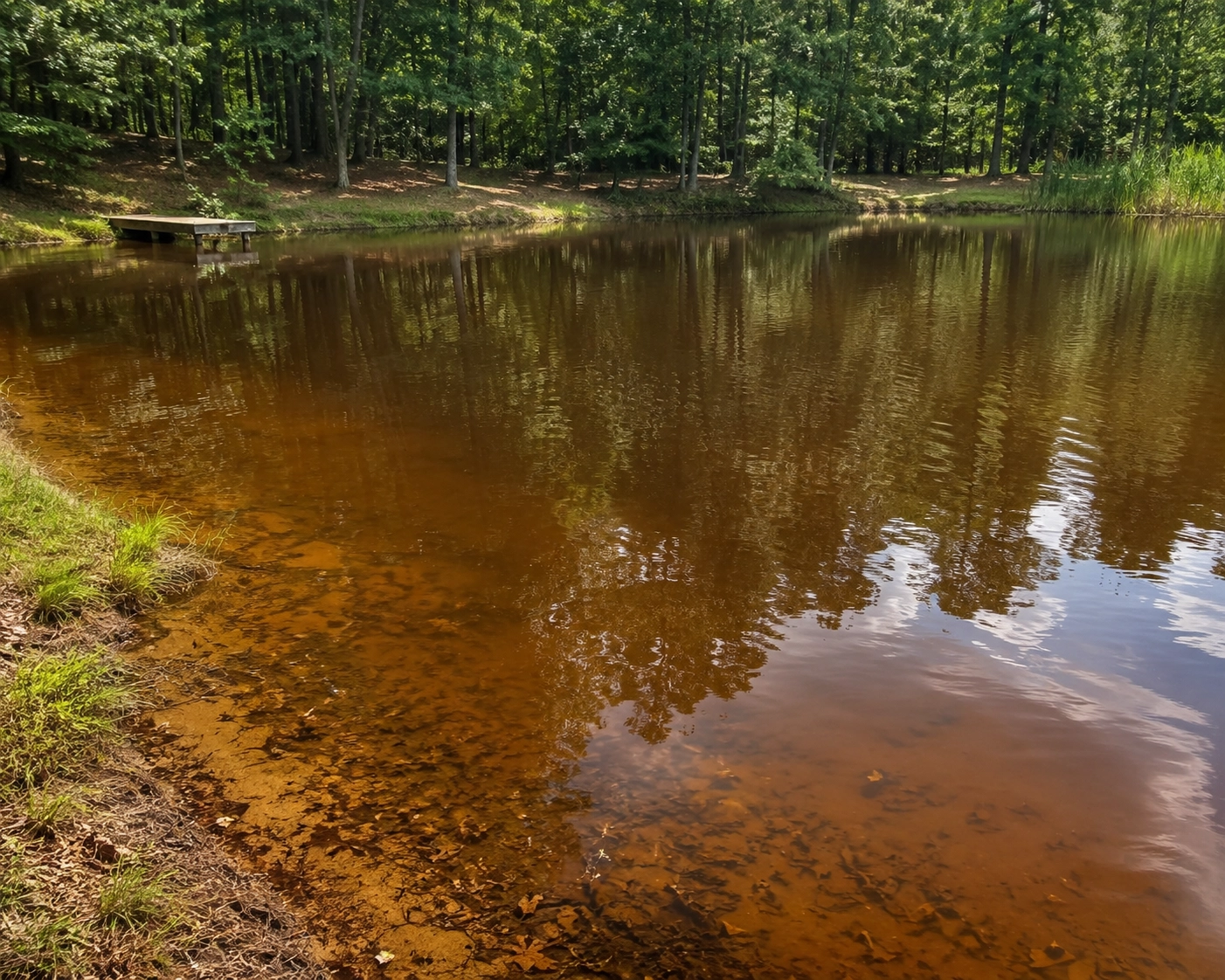
If you can see through the water but everything has a brown or tea-colored tint, dissolved organic material such as leaves may be staining the water.
If the water itself looks cloudy, muddy, or full of suspended particles, you may be dealing with sediment, runoff, disturbed debris, or a filtration issue.
Those problems can look similar from the patio, but they do not necessarily have the same solution.
Why Does Pond Water Turn Brown?
1. Leaves and Decomposing Organic Material
Leaves, twigs, plant material, and other organic debris can release tannins as they break down. Tannins can give otherwise relatively clear water a brown, amber, or tea-like appearance.
This can be especially noticeable during Minnesota's fall leaf season, when a large amount of organic material can enter a pond in a relatively short period of time.
Removing the source of the organic material is an important part of correcting the problem. Treating the water without dealing with accumulating debris may only provide temporary improvement.
2. Sediment Has Been Disturbed
A pond can also turn brown when sediment that was sitting on the bottom becomes suspended in the water.
This may happen after maintenance, moving rocks or plants, disturbing accumulated debris, or other activity within the pond.
If the pond's filtration system is functioning properly, some suspended material may eventually be captured. Persistent cloudy or muddy water, however, deserves a closer look.
3. Soil or Runoff Is Entering the Pond
Heavy rain can reveal grading problems around a pond very quickly.
If surrounding soil, mulch, lawn runoff, or landscape material is washing into the water feature, the pond may become muddy or brown after a storm.
In that situation, treating the water is not the real solution. The source of the runoff should be identified and corrected.
Look for areas where the surrounding grade directs stormwater toward the pond instead of around it.
4. Too Much Organic Debris Has Accumulated
Leaves, fish waste, dead plant material, and other debris naturally accumulate in ponds over time.
A properly designed ecosystem pond is intended to process organic material as part of a balanced system, but that does not mean unlimited debris should be allowed to collect indefinitely.
When substantial material accumulates in the pond, skimmer, biological filtration, or other areas of the system, water clarity and overall pond performance can begin to suffer.
Brown Water Isn't the Same as Green Water
Color matters when troubleshooting pond water.
Brown water and green water may both look unpleasant from a few feet away, but they often point toward different causes.
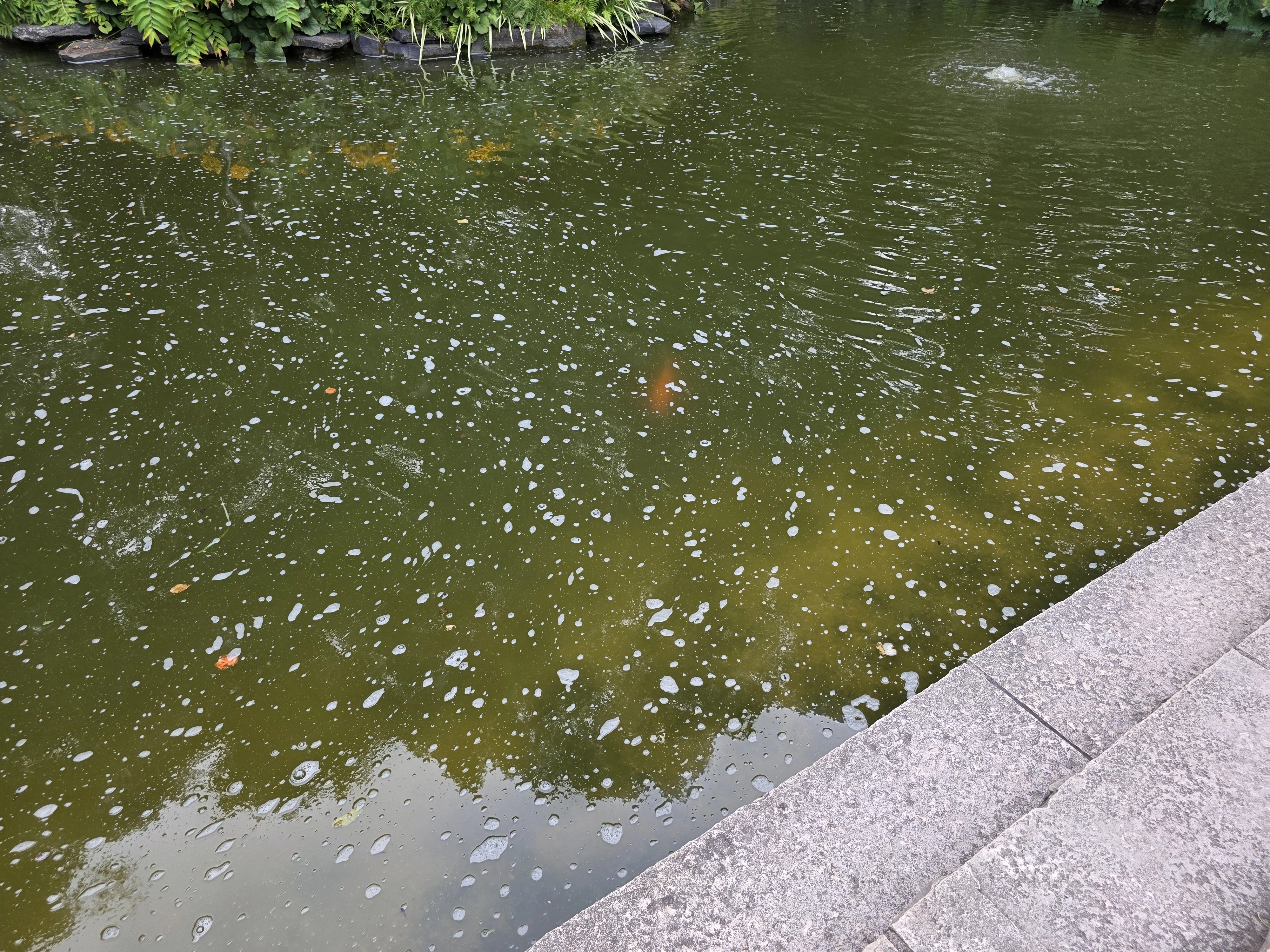
Green water is commonly associated with suspended algae. Brown or tea-colored water is more likely to involve tannins, organic material, sediment, or runoff.
Some ponds also develop a mixture of conditions, making the water appear brown-green, cloudy, or simply difficult to see through.
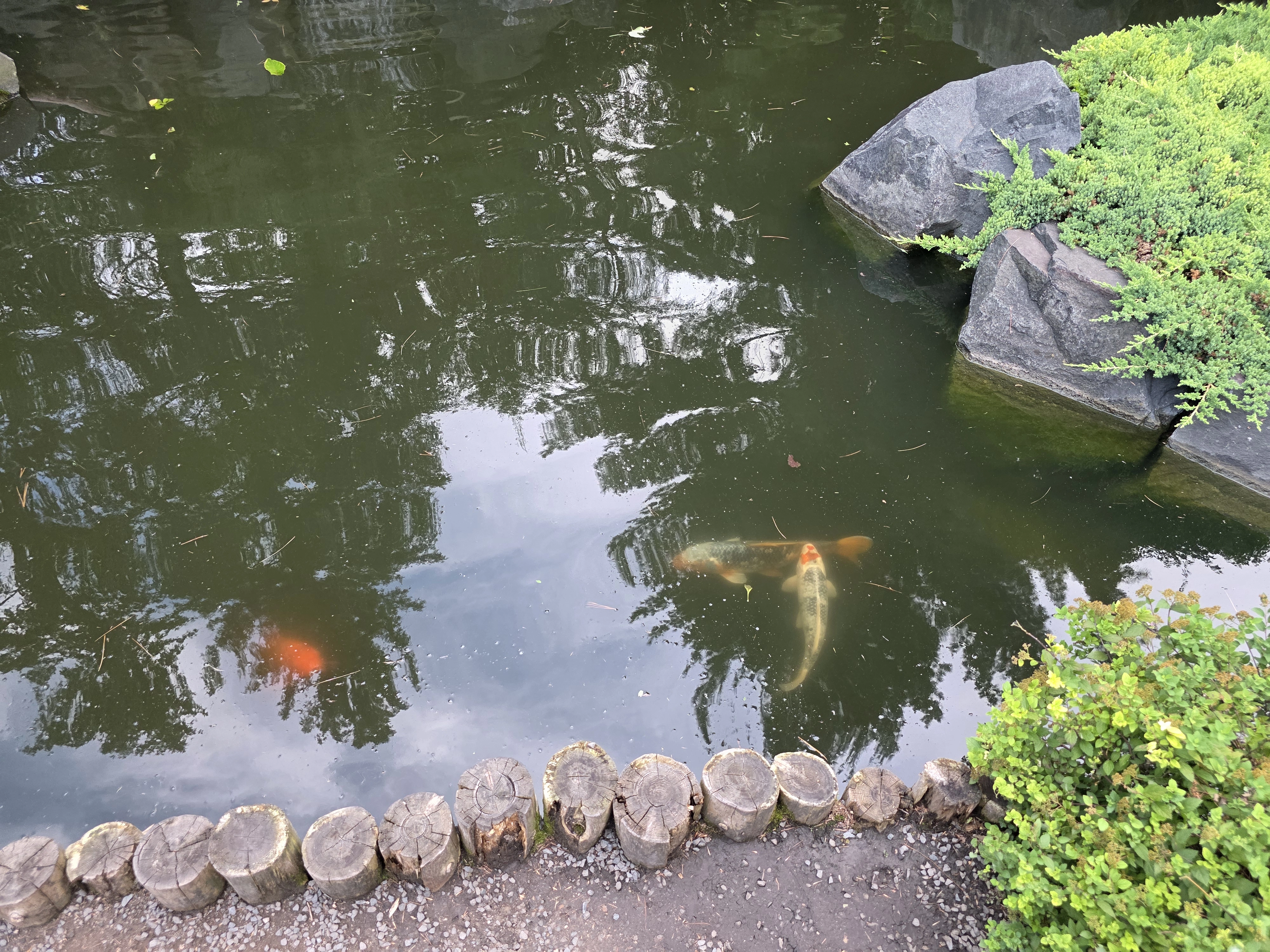
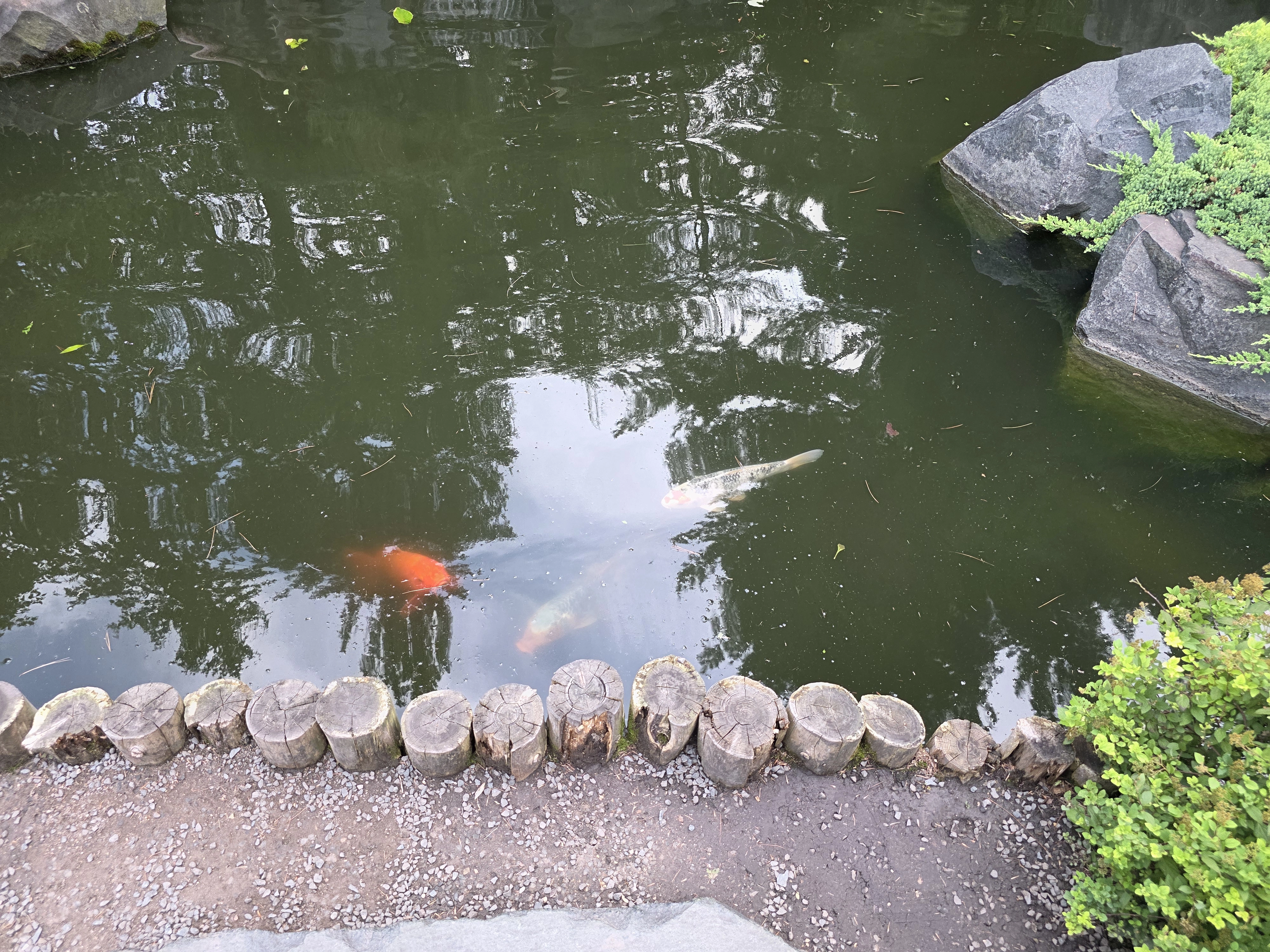
Before reaching for an algae treatment, determine whether algae is actually causing the discoloration.
Treat the problem you actually have, not simply the color you see.
Should I Drain and Clean the Pond?
Not necessarily.
Brown water alone is not automatically a reason to drain an ecosystem pond.
If the system is otherwise functioning properly, the better first step may be to remove excess debris, inspect filtration, identify runoff problems, and determine what is actually discoloring the water.
A complete cleanout may make sense when significant debris has accumulated or the pond is due for seasonal maintenance, but a cleanout should be performed because the condition of the pond warrants it, not simply because the water changed color.
What Should I Do First?
Start with the basics before adding treatments or making major changes.
- Remove floating leaves and debris.
- Check the skimmer basket or debris net.
- Inspect filtration for excessive debris or restricted flow.
- Look for soil or landscape material entering the pond.
- Check whether recent rain caused runoff into the pond.
- Determine whether the water is cloudy or simply stained brown.
- Inspect the bottom for excessive organic accumulation.
Don't start adding products until you have a reasonable idea of what you're trying to correct.
Can Brown Pond Water Hurt Fish?
The color itself does not necessarily mean the water is dangerous.
For example, tannins can discolor water without automatically making it unhealthy for fish. However, the conditions causing brown water can sometimes point toward a larger maintenance or water-quality problem.
Large quantities of decomposing organic material deserve attention because decomposition affects the pond ecosystem. Runoff entering the pond may also carry materials that you do not want entering your water feature.
If fish are behaving abnormally, gasping at the surface, showing obvious signs of distress, or dying, treat that as a water-quality concern rather than simply a cosmetic brown-water issue.
How Can I Prevent Brown Pond Water?
Prevention usually comes down to reducing the amount of unwanted material entering and accumulating in the pond while keeping circulation and filtration functioning properly.
During Minnesota's fall leaf season, remove leaves regularly rather than allowing large quantities to sink and decompose.
Keep skimmers and mechanical filtration functioning properly, remove dying plant material when appropriate, and pay attention to how stormwater moves through the surrounding landscape during heavy rain.
Regular pond maintenance in Minnesota can also help catch developing problems before water quality noticeably deteriorates.
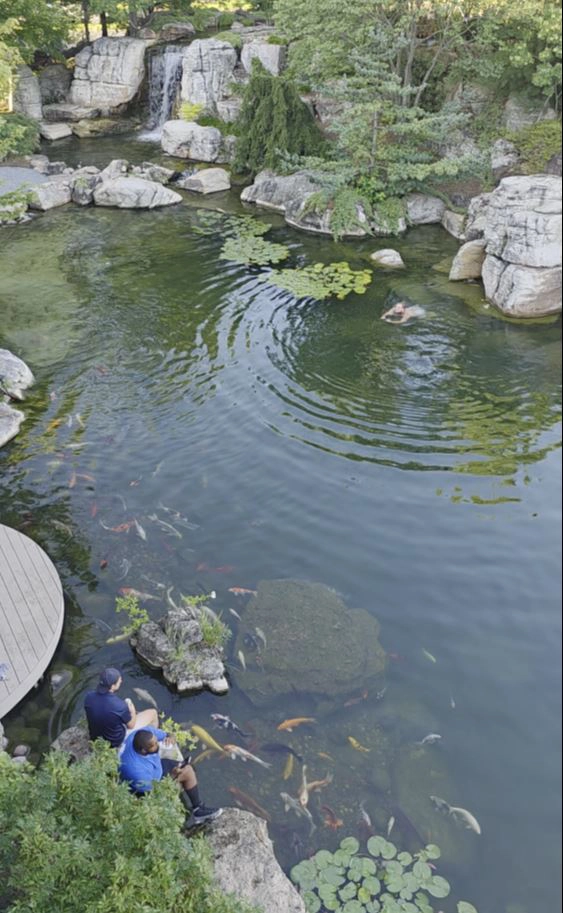
The goal is not sterile-looking water. A healthy pond should still look and behave like a living ecosystem.
When Does My Pond Need Professional Attention?
Consider having the pond inspected if:
- Brown or cloudy water persists despite basic maintenance.
- Large amounts of debris have accumulated.
- Water flow has noticeably decreased.
- Runoff repeatedly enters the pond.
- Filtration does not appear to be keeping up.
- You are unsure when the pond was last properly cleaned.
- Fish appear stressed or unhealthy.
- The pond repeatedly develops the same water-quality problem.
Recurring problems are particularly important.
If you're constantly fighting brown water, algae, poor circulation, or excessive debris, the problem may be less about what you're putting into the water and more about how the pond itself is functioning.
Brown Water Is a Symptom, Not a Diagnosis
The goal should not simply be to make brown water clear again.
The goal is to understand why it turned brown.
Tea-colored water from leaves, muddy water after a storm, suspended sediment, and a pond overloaded with decomposing debris can all look "brown" from a few feet away, but they do not necessarily have the same solution.
Identify the cause first. Then fix the cause instead of chasing the color.
Brown Pond Water FAQs
Are tannins bad for pond fish?
Brown coloration from tannins does not automatically mean the water is harmful to fish. However, heavy organic accumulation should still be addressed because decomposing material can affect the overall pond ecosystem.
Will brown pond water clear on its own?
Sometimes suspended material may settle or be captured by filtration, but persistent brown water should be investigated. If leaves, sediment, runoff, or accumulated debris continue entering the pond, the discoloration may return even after the water temporarily improves.
Why did my pond turn brown after heavy rain?
Heavy rain can wash soil, mulch, organic material, or other landscape debris into a pond. If the pond repeatedly becomes muddy after storms, inspect the surrounding grade and drainage to see whether runoff is being directed toward the water feature.
Should I completely drain my pond because the water is brown?
Not automatically. Brown water can have several causes, and many do not require draining the entire pond. First determine whether the issue is tannins, sediment, runoff, accumulated debris, filtration, or another water-quality problem.
What's the difference between brown pond water and green pond water?
Green water is commonly associated with suspended algae, while brown or tea-colored water is more commonly associated with tannins, organic debris, sediment, or runoff. Because the causes differ, the appropriate solution may also differ.
When should I call a pond professional?
Professional help may be appropriate when discoloration keeps returning, filtration is not performing properly, significant debris has accumulated, runoff continually enters the pond, or fish show signs of distress.
Need Help with Brown or Cloudy Pond Water?
Fountainscapes & Waterfalls provides pond maintenance and troubleshooting for homeowners in New Ulm, Mankato, and surrounding areas of Southern Minnesota.
We can help determine whether you're dealing with routine debris, filtration problems, runoff, accumulated organic material, or a pond that needs more extensive maintenance.
Prefer to talk it through first? Call (507) 720-3450.